

If you’ve ever tried to recreate a beloved Lithuanian dish from your childhood or your grandma's table, there’s a good chance you’ve stumbled over one mystery ingredient: varškė. It’s used in everything from dumplings to pancakes, and yet it’s not something you’ll find labeled “Lithuanian farmer’s cheese” in most supermarkets outside Eastern Europe. So, what exactly is varškė? And how do you find or substitute it if you’re cooking from the US or UK? Let’s break it down.

Jump to:
What Is Varškė?
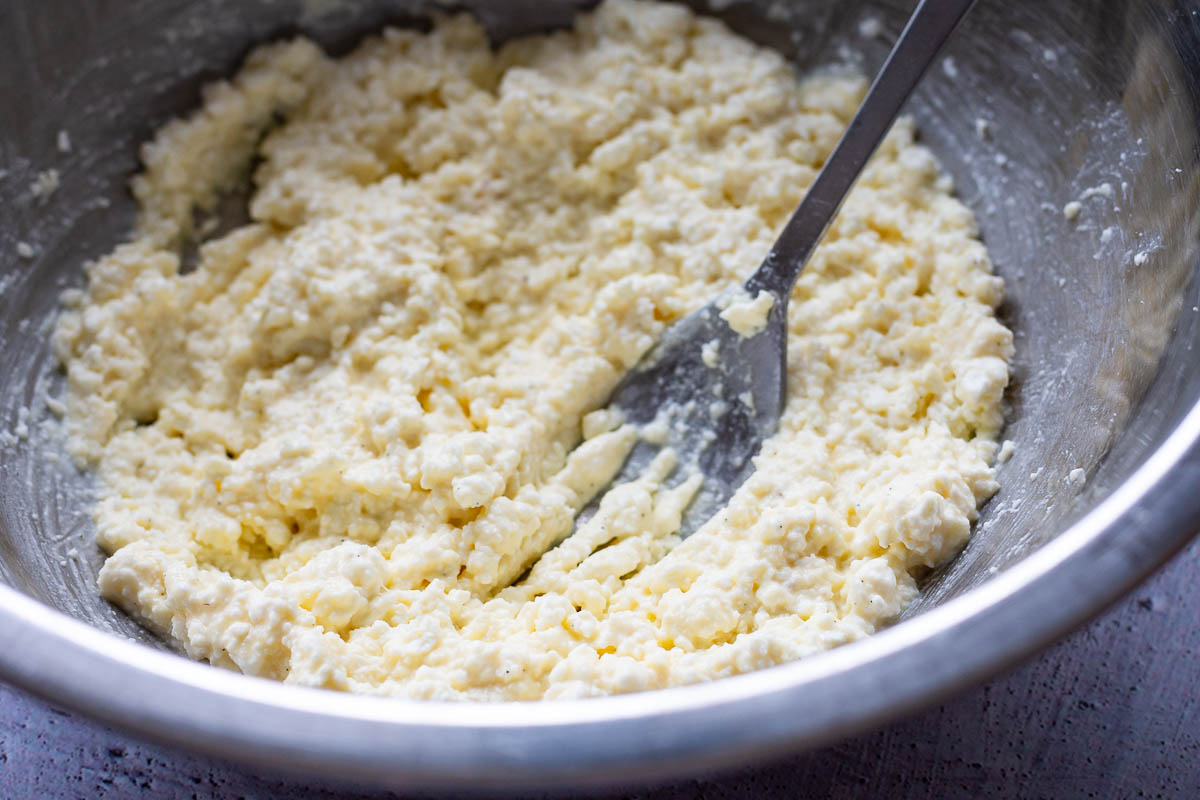
Varškė is a fresh farmer’s cheese made by gently curdling milk with an acid like lemon juice, vinegar, or a bacterial starter. It’s not aged, salted, or pressed (at least not heavily), which gives it a crumbly, slightly moist texture and a mild, tangy flavor.
Think of it as sitting somewhere between ricotta cheese and cottage cheese—mild but with more body. When well made, it has a clean, milky taste, and breaks apart easily with a fork or wooden spoon.

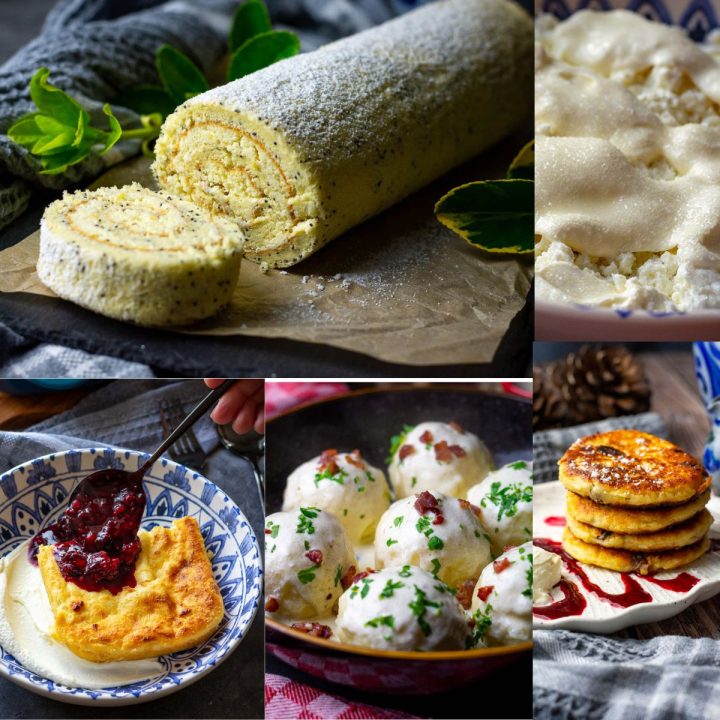
It’s also incredibly versatile. In Lithuania, varškė appears in everything from Sweet Farmer's Cheese Dumplings to breakfast spreads, desserts, Farmer's Cheese Pancakes, and savory fillings.
Types of Varškė: Texture and Fat Content
You might see varškė labeled in Lithuanian shops by its fat percentage. This affects both flavor and texture:
- Full-fat (around 9%): Richer, creamier, and a bit softer. Ideal for sweet bakes, spreads, or simply enjoyed with sour cream and sugar.
- Medium-fat (around 5%): The most versatile — great for dumplings (like Lithuanian Sweet Farmer's Cheese Dumplings), pancakes, and savory dishes.
- Low-fat (0–2%): Drier and crumbly, often used in lighter recipes or where you’re mixing it with other wet ingredients like eggs or milk.
You’ll also notice some versions are more crumbly and dry, while others are smoother and moister. For most recipes, especially dough-based ones, a drier cheese is preferred, so you can always adjust moisture levels with an extra spoonful of sour cream or creme fraiche.

Varškė vs. Varškės Sūris: What’s the Difference?
This part trips up a lot of people: Varškė and Varškės Sūris are not the same thing.
- Varškė is a fresh, unsalted cheese — soft, crumbly, and often used as an ingredient.
- Varškės Sūris (literally “curd cheese” or “cheese made from varškė”) is a pressed cheese. It’s usually shaped into rounds or oblongs, firmer in texture, often lightly salted and studded with caraway seeds, and sometimes even smoked.
If a recipe calls for varškė, don’t substitute varškės sūris — it won’t mix or melt the same way. One’s a building block, the other’s a finished product.
Where to Buy Varškė (or Close Substitutes)
If you’re outside Lithuania, don’t worry: there are easy ways to get your hands on something very close.
- Eastern European stores: Look for Polish twaróg or Russian tvorog. These are nearly identical to Lithuanian varškė, especially in texture and fat content.
- Cottage cheese: Smooth-style cottage cheese (without large curds) can work well. It’s wetter, but if you’re mixing it with sour cream, milk, or large eggs, just reduce those wet ingredients a bit.
- You can also drain cottage cheese through a cheese cloth or fine medium sieve to remove excess moisture and get a texture closer to traditional farmer’s cheese.
Tip: If you live near Polish delis or Russian/Eastern European markets, they’re your best bet. Ask for twaróg or tvorog if you don’t see farmer cheese labeled directly.
How Farmer’s Cheese Is Used in Lithuanian Cooking
Varškė might be one of the most adaptable ingredients in Lithuanian kitchens. You’ll find it in:
- Traditional breakfast: Farmer’s cheese topped with sour cream and a little sugar, eaten with a slice of Lithuanian rye bread. It’s simple, comforting, and was many people’s childhood favorite.
- Sweet Cheese crepes: Filled with sweetened varškė and baked until golden, often topped with melted butter or jam.
- Farmer’s cheese pancakes (varškėtukai): Soft and fluffy, these make for a cozy weekend breakfast. Serve with powdered sugar or berry coulis.
- Dumplings: From sweet cheese dumplings filled with raisins to savory dish versions with herbs or garlic.
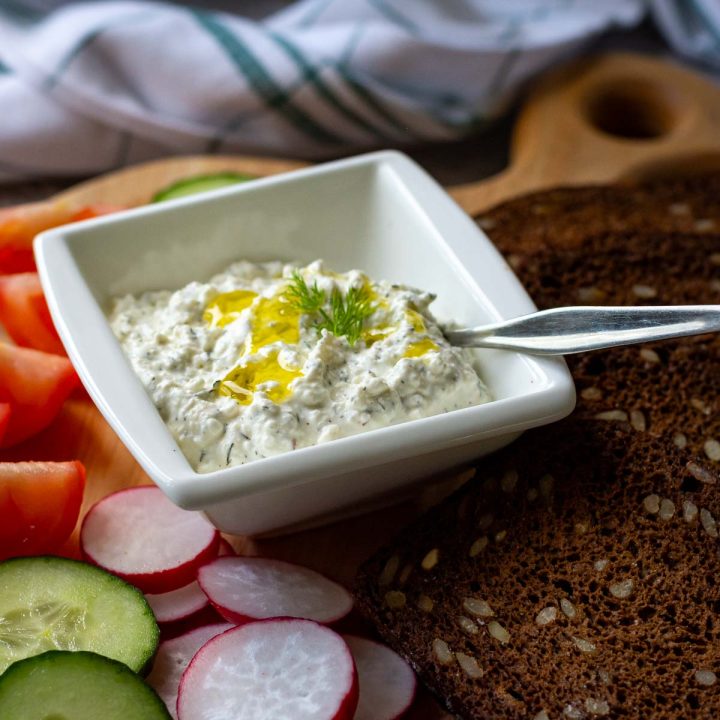
- Farmer's Cheese dip/spread: Blend varškė with garlic, dill, and a touch of sour cream — great as a sandwich spread or veggie dip.
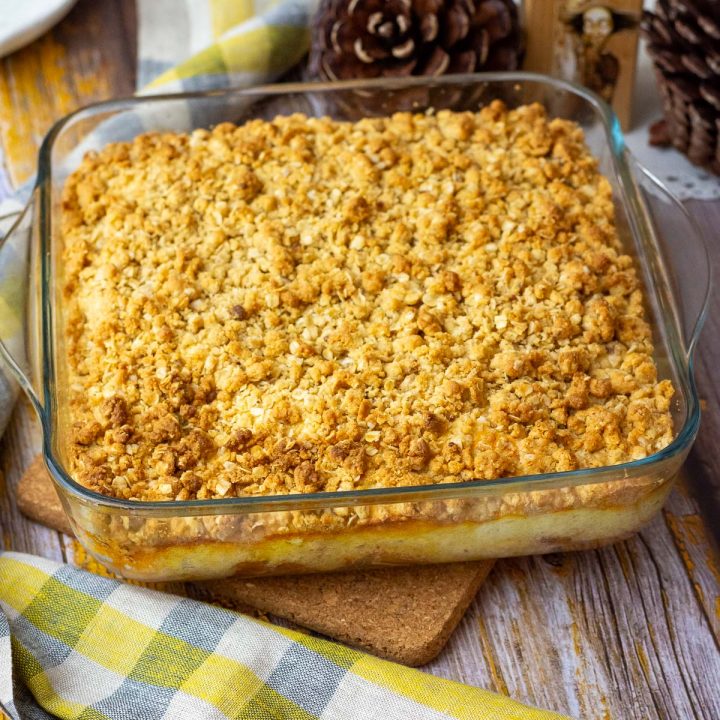
- Sweet bakes: Cheesecakes, buns, and other desserts often rely on farmer’s cheese for their creamy filling. You can even make bread with it - just follow our recipe for Lithuanian Farmer’s Cheese Bread With Oats and Seeds.
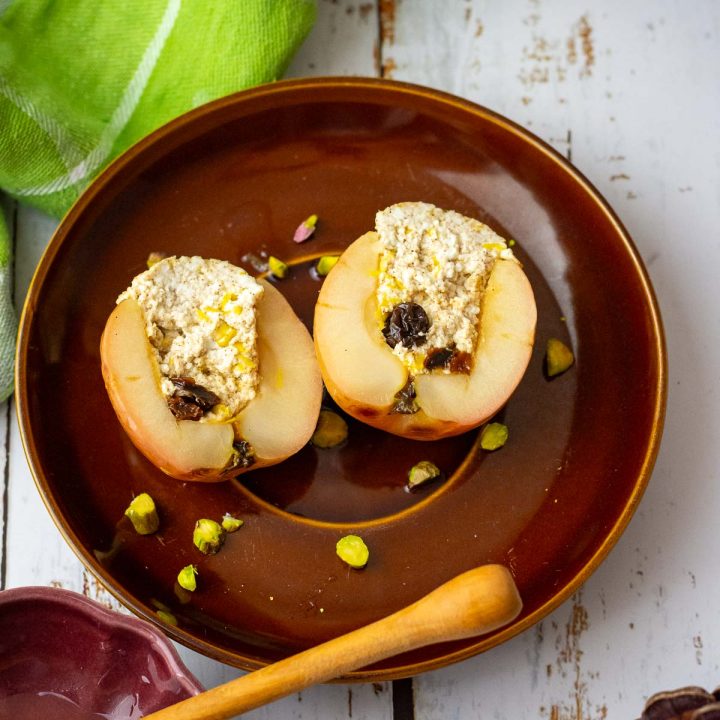
- Baked Apples Stuffed with Farmer's Cheese (Obuoliai su Varške)
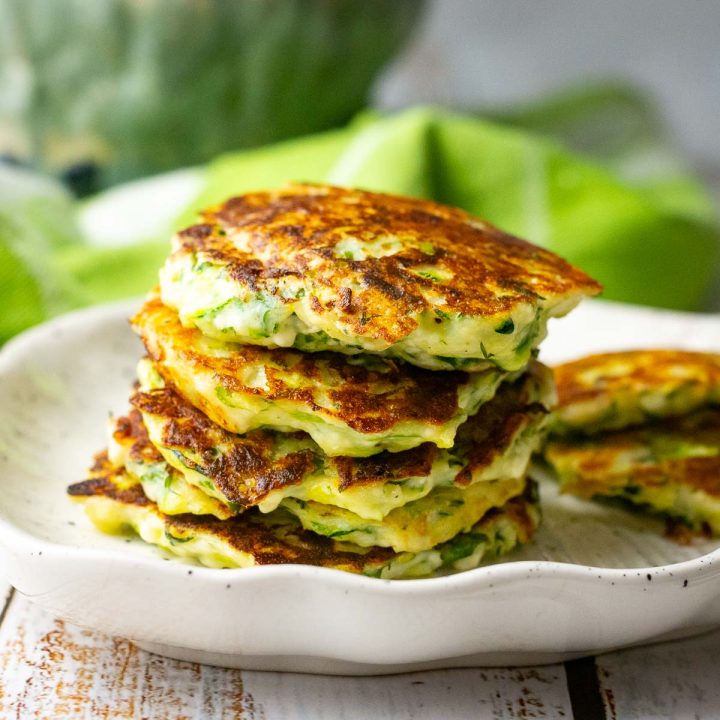
- Lithuanian Zucchini Fritters with Farmer's Cheese
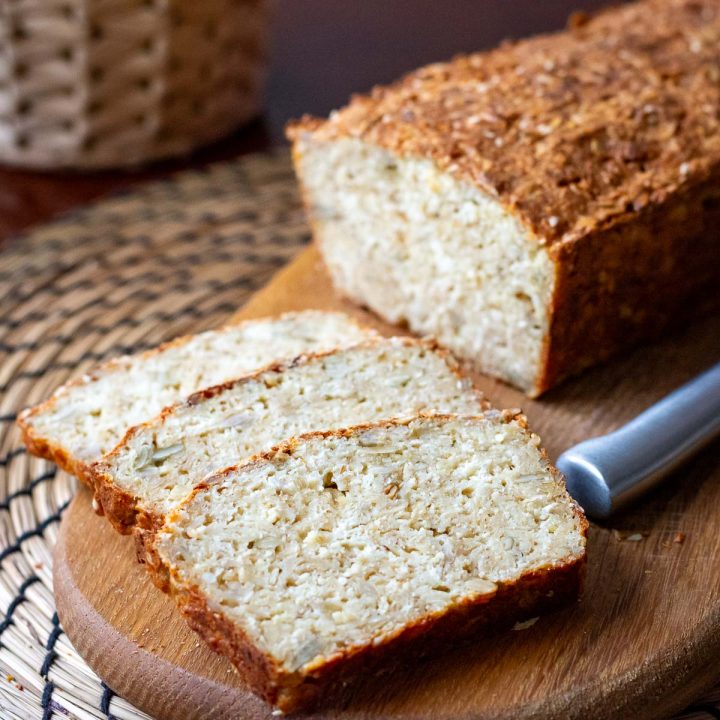
- Lithuanian Farmer’s Cheese Bread With Oats and Seeds
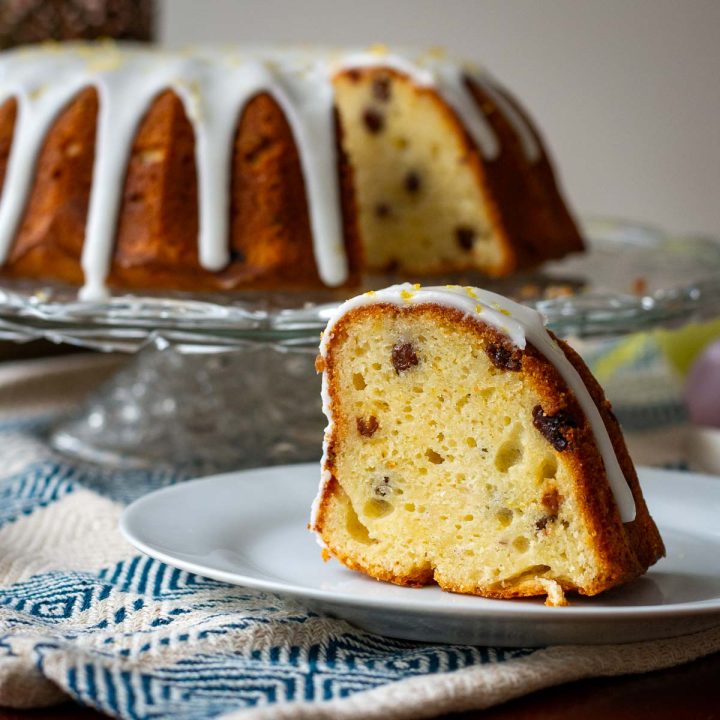
- Lithuanian Easter Cake (Velykų Boba): Traditional Bundt Cake
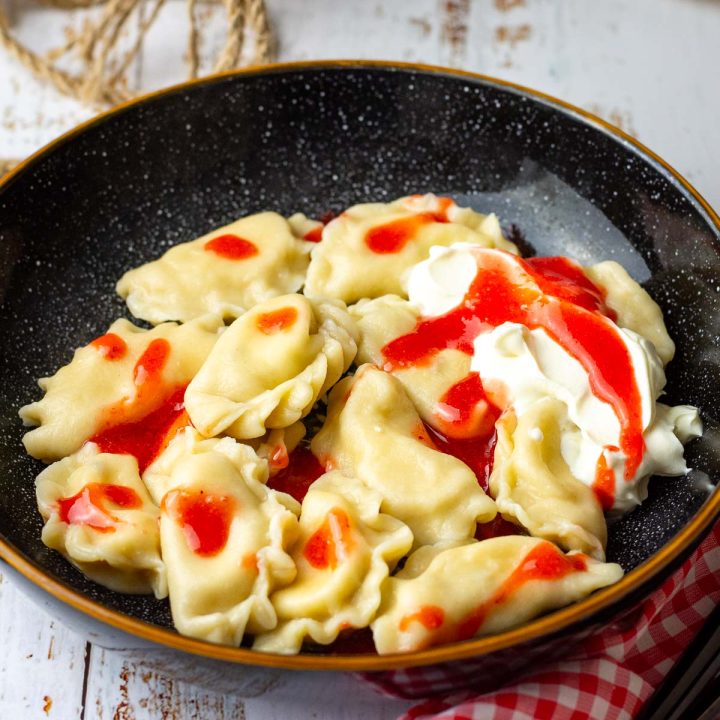
- Sweet Farmer's Cheese Filled Dumplings (Lithuanian Recipe)
- Farmer's Cheese Cookies (Traditional Lithuanian Cookies)
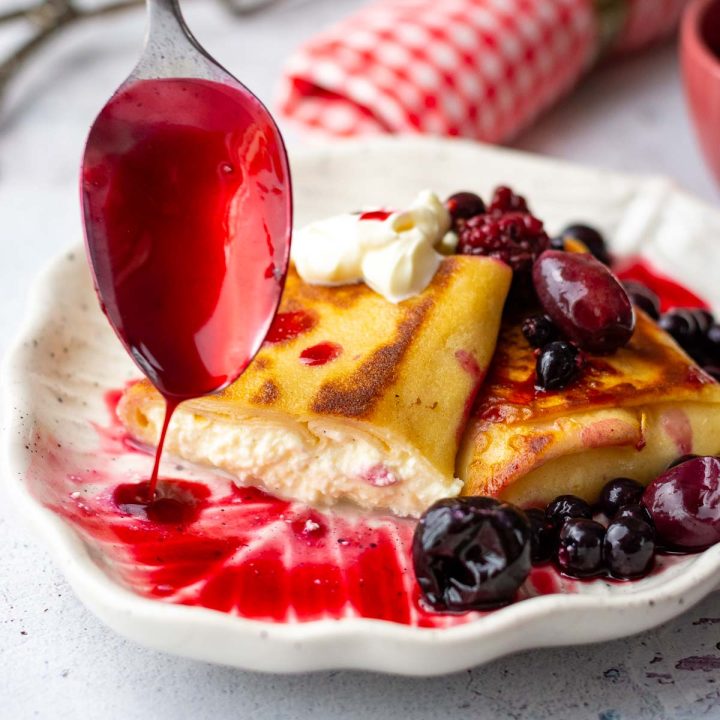
- Sweet Crepes With Farmer's Cheese Filling
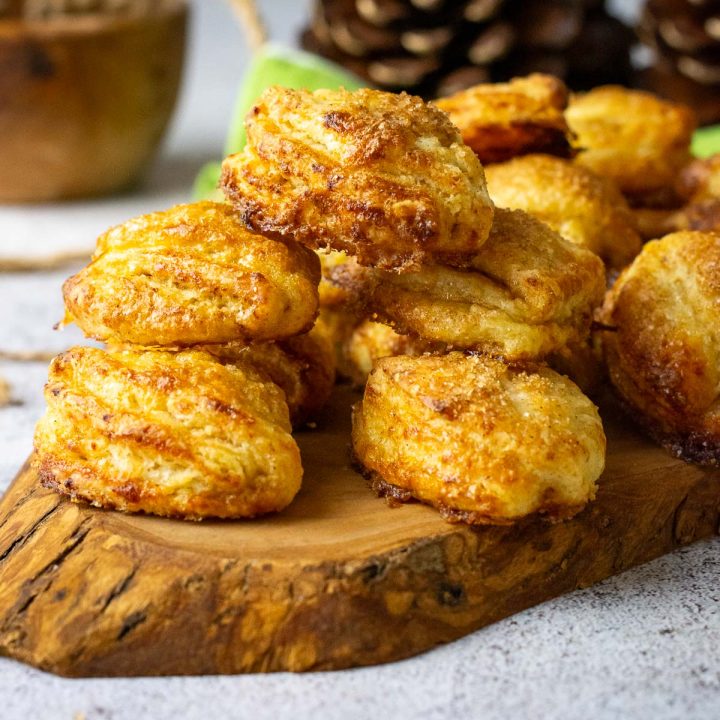
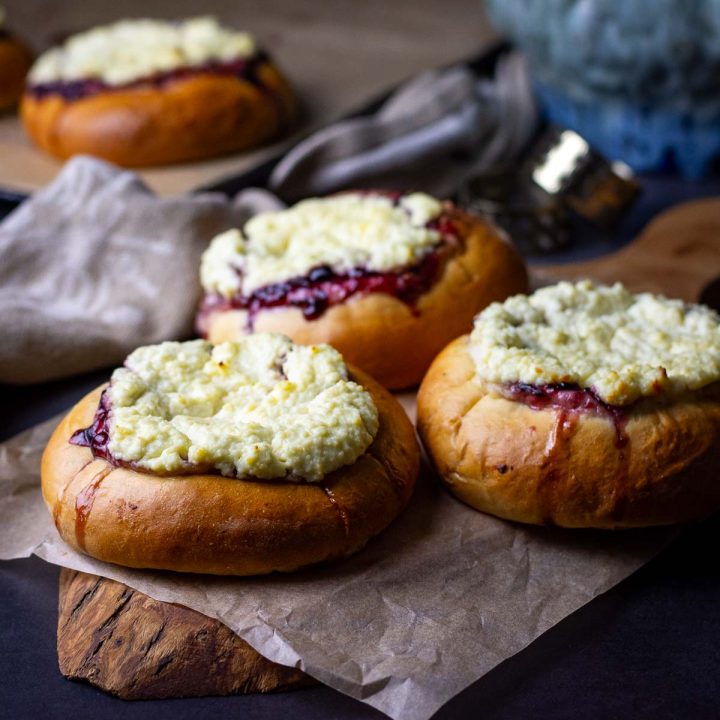
- Lithuanian Sweet Cheese Buns With Farmers Cheese Filling
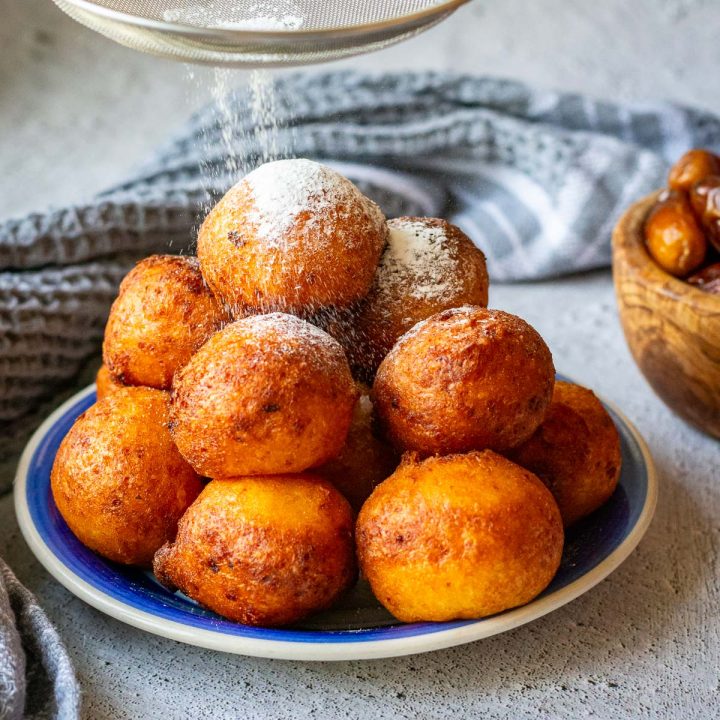
Whether you're making small balls of dough, spooning it into crepes with a pastry bag, or simply enjoying it plain, varškė is one of those ingredients that brings back a full mood makeover of memories — and makes your kitchen smell like home.

Leave a Reply