

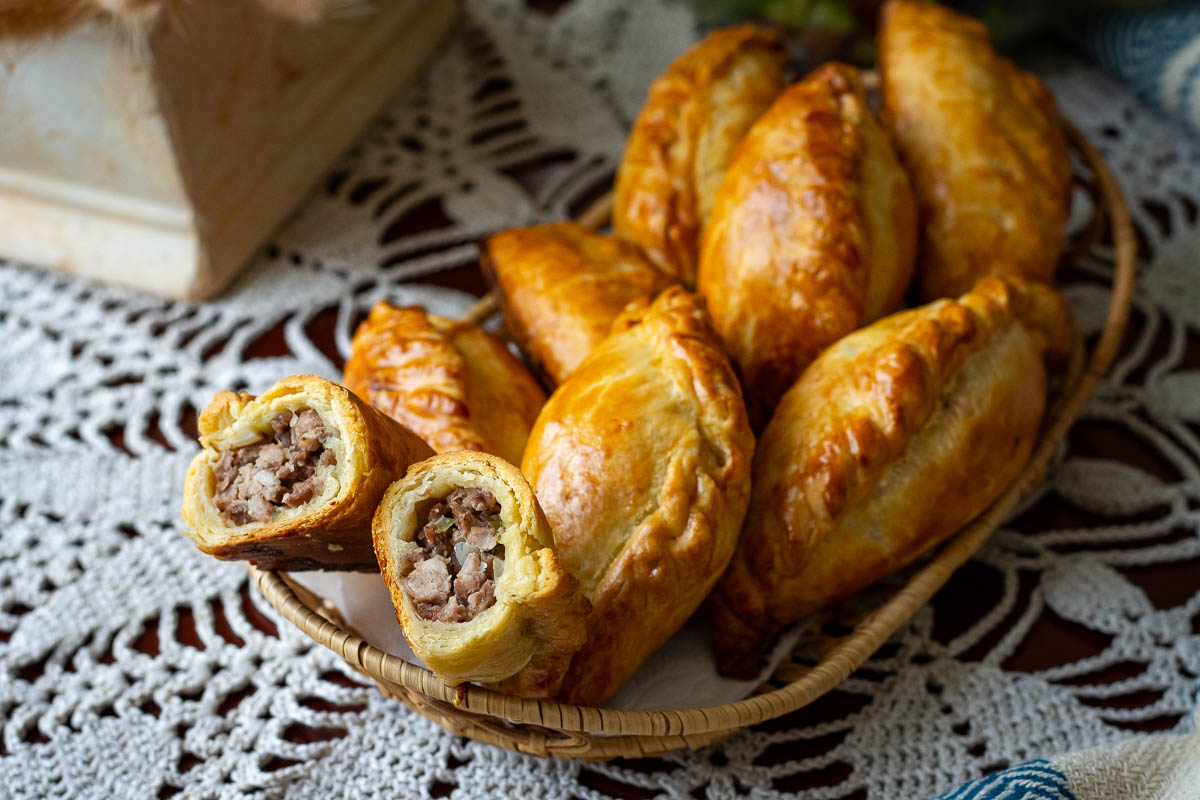
There’s something deeply satisfying about biting into warm, golden brown Lithuanian meat pies, especially when the pastry is buttery and flaky and the filling is rich and juicy. These Lithuanian kibinai, small pork hand pies, are one of the most iconic savory pastries in Lithuania — simple in appearance, but full of history and flavor.

Jump to:
For me, kibinai will always mean one thing: summer days in Trakai. Just a 30-minute drive from Vilnius, it was our go-to spot for swimming, boat rowing around Trakai castle, and — most importantly — lunch. And lunch was never up for debate. It was always a pair of warm kibinai from one of the small Karaite restaurants by the lake. My mum was (and still is) their biggest fan. So when I visited Lithuania one winter, I convinced her to make homemade kibinai with me. And honestly? They were the best I’ve ever had.
What Are Kibinai?
Kibinai are traditional Lithuanian meat pies — handheld pastries made with a rich, buttery dough and filled with finely chopped meat, usually pork in modern Lithuanian kitchens.
But interestingly, kibinai are not originally Lithuanian.
They were brought to Lithuania in the 14th century by the Karaite community, an ethnic minority brought from Crimea by Grand Duke Vytautas after his military campaigns. They settled in Trakai, where kibinai quickly became a staple of local cuisine. Traditionally, Karaite kibinai were made with lamb (as pork is not kosher), but over time Lithuanians adapted the recipe, and pork became the most popular filling.
Today, kibinai are one of those Lithuanian foods that feel entirely local — even if their roots lie elsewhere.

Ingredient Notes
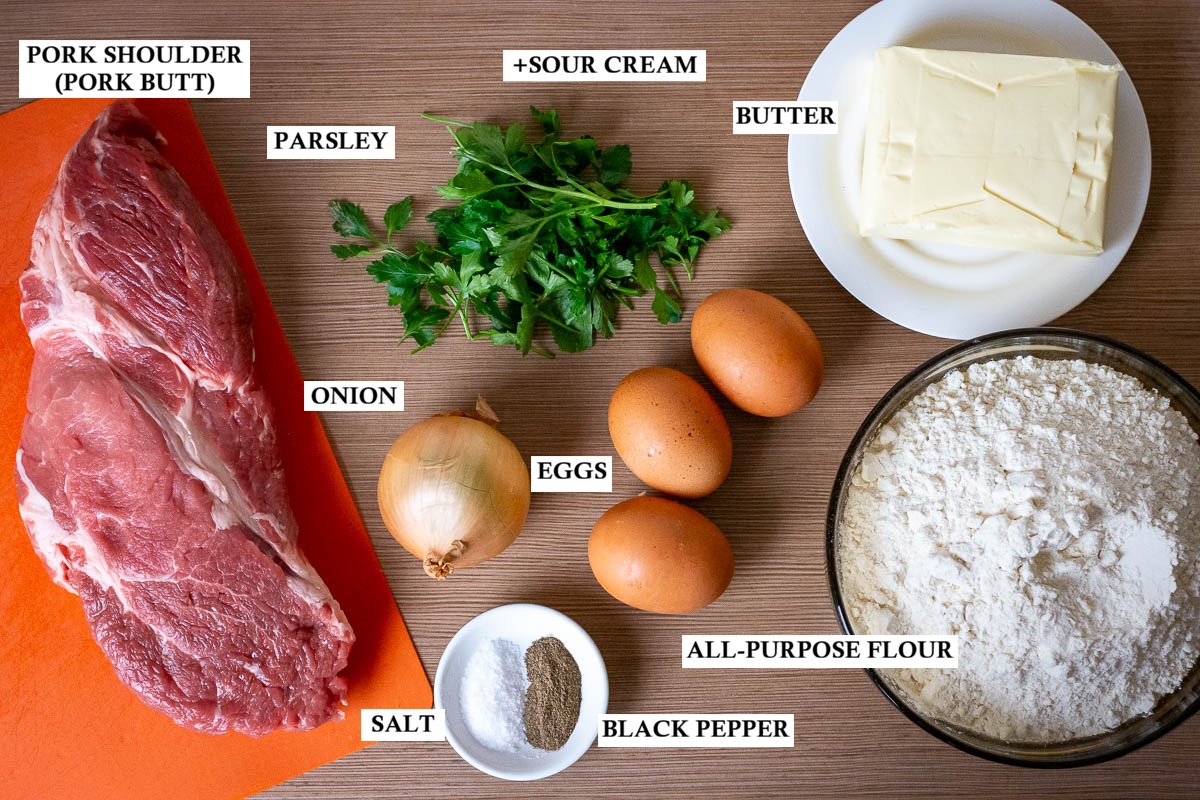
Flour. Use all-purpose flour. Avoid adding too much flour when kneading — too much can make the dough tough instead of tender.
Butter. Cold butter is essential for that flaky dough texture. You want small bits of butter throughout the dough to create layers as it bakes.
Eggs & Sour Cream. This is a classic sour cream pastry, giving kibinai their signature soft yet structured texture. Let ingredients come to room temperature (except for butter) for easier mixing.
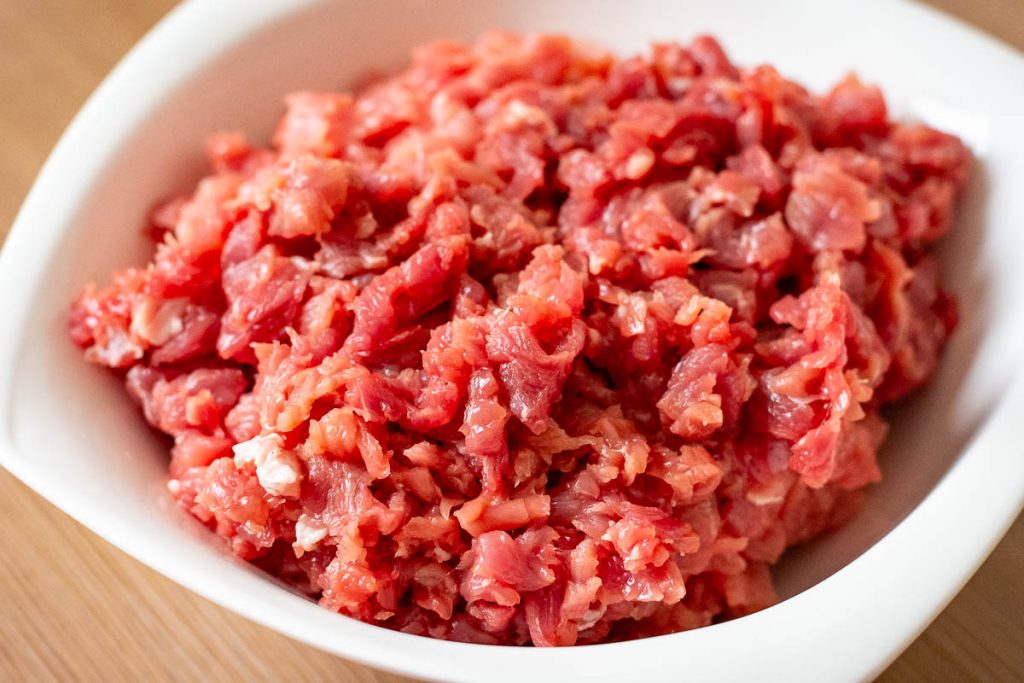
Pork. The most important part: use pork shoulder (Boston butt) or pork collar. These cuts have enough fat to stay juicy.
👉 Do not use ground pork—traditional kibinai are made with finely diced meat. This makes a huge difference in texture and flavor.
Onion. Adds moisture and sweetness to the filling.
Parsley. Optional but adds freshness.
Black Pepper & Salt. Simple seasoning is key. The flavor comes from the meat itself, not heavy spices.
Step-By-Step Method
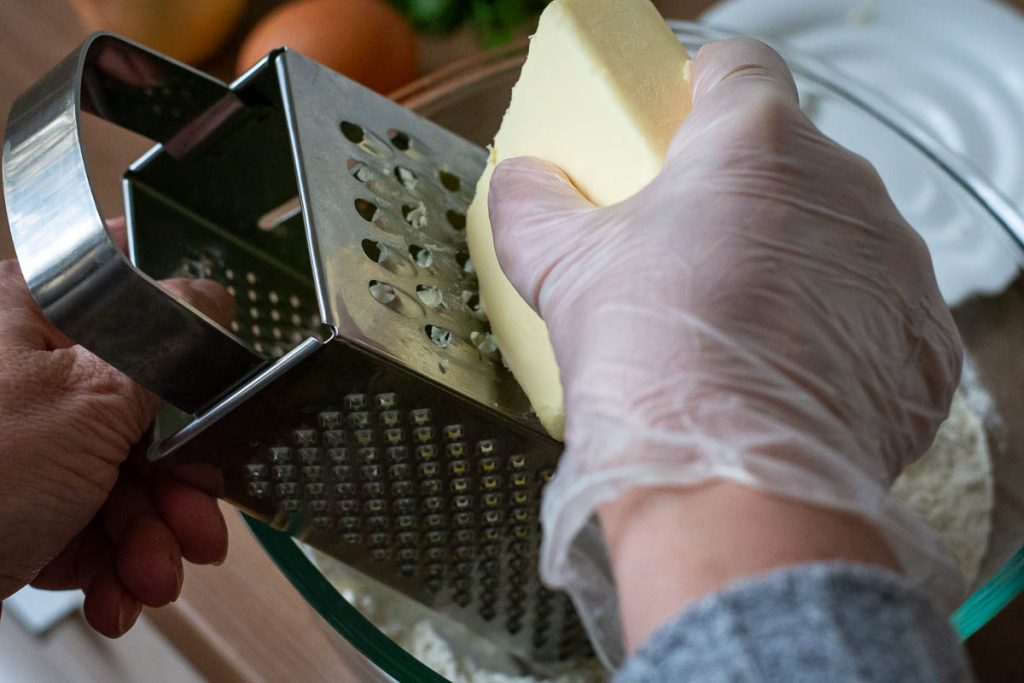
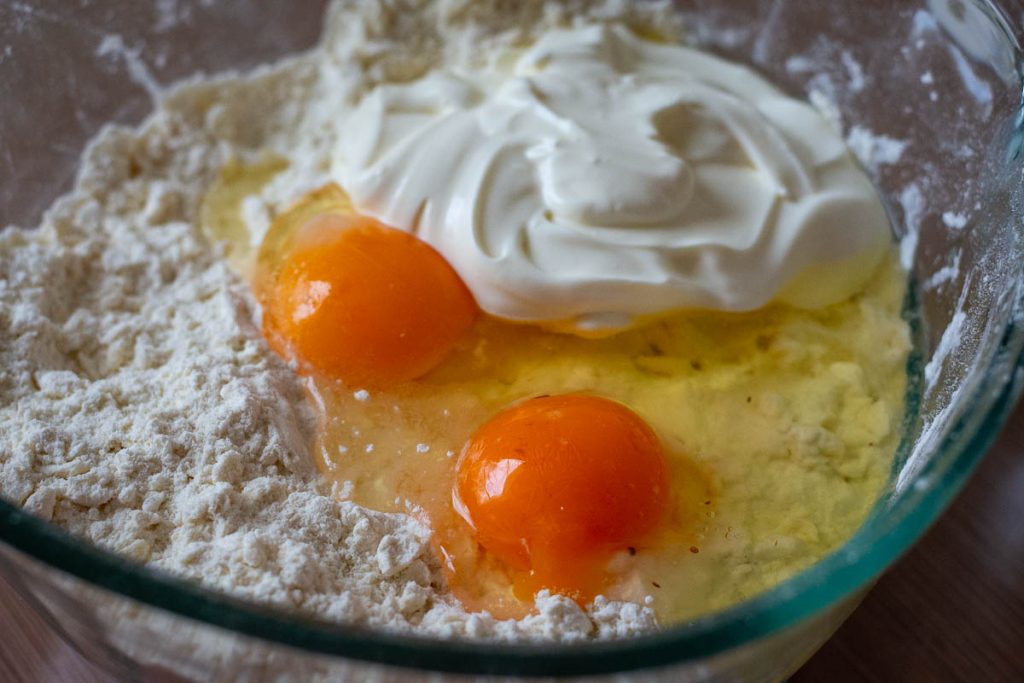
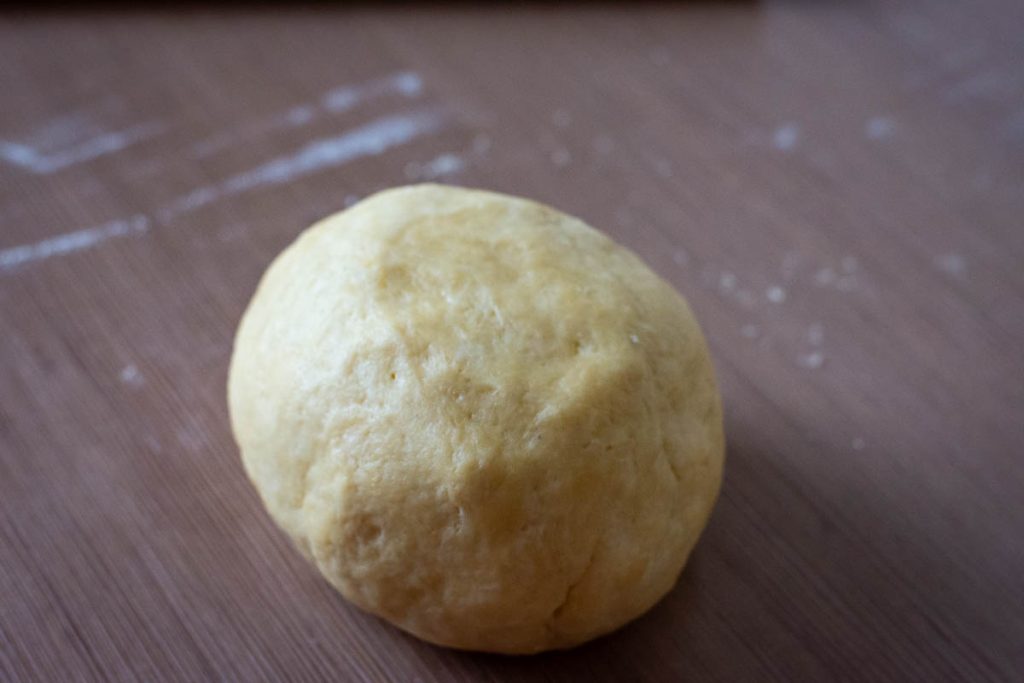
1. Make the dough. In a large bowl, mix flour and salt. Add cold butter and rub it in until the mixture resembles breadcrumbs. Stir in eggs and sour cream, then gently knead into a soft dough.
Tip: Don’t overwork the dough — this keeps it tender rather than tough.
2. Chill the dough. Wrap in plastic wrap and refrigerate for at least 1 hour.
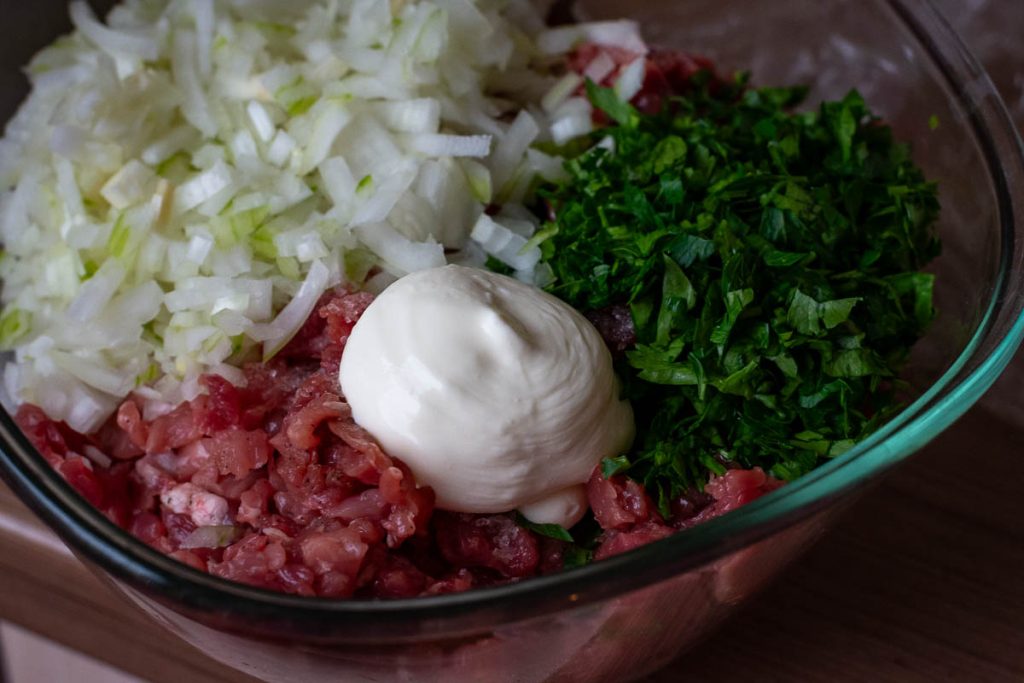
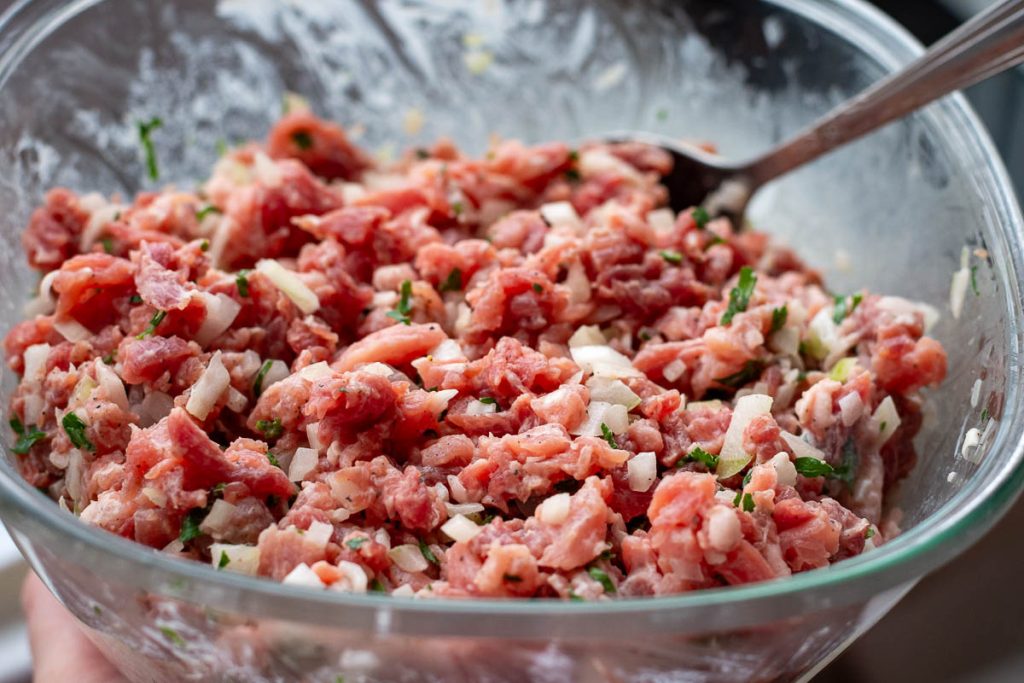
3. Prepare the filling. In a large bowl, combine finely diced pork, onion, parsley, sour cream, salt, and black pepper.
4. Roll and cut. Roll the dough to about 3–4 mm thickness. Cut circles using a bowl or cutter (about 4.5 inches / 12 cm).
5. Fill and shape. Add filling to the center of each circle. Fold over and seal the edges, then twist into a decorative braid.
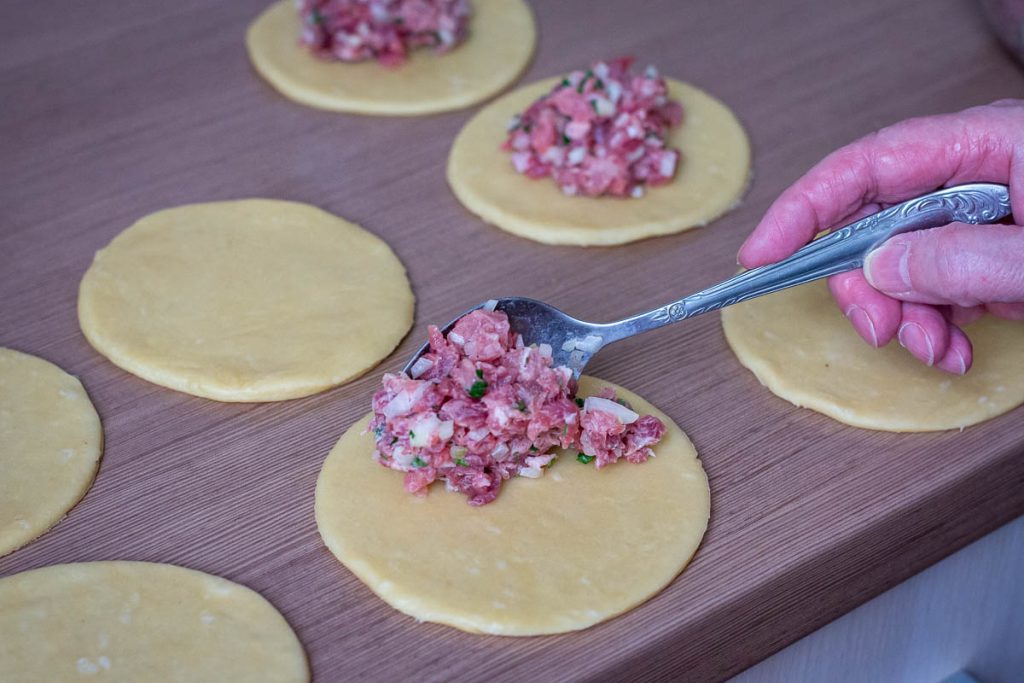
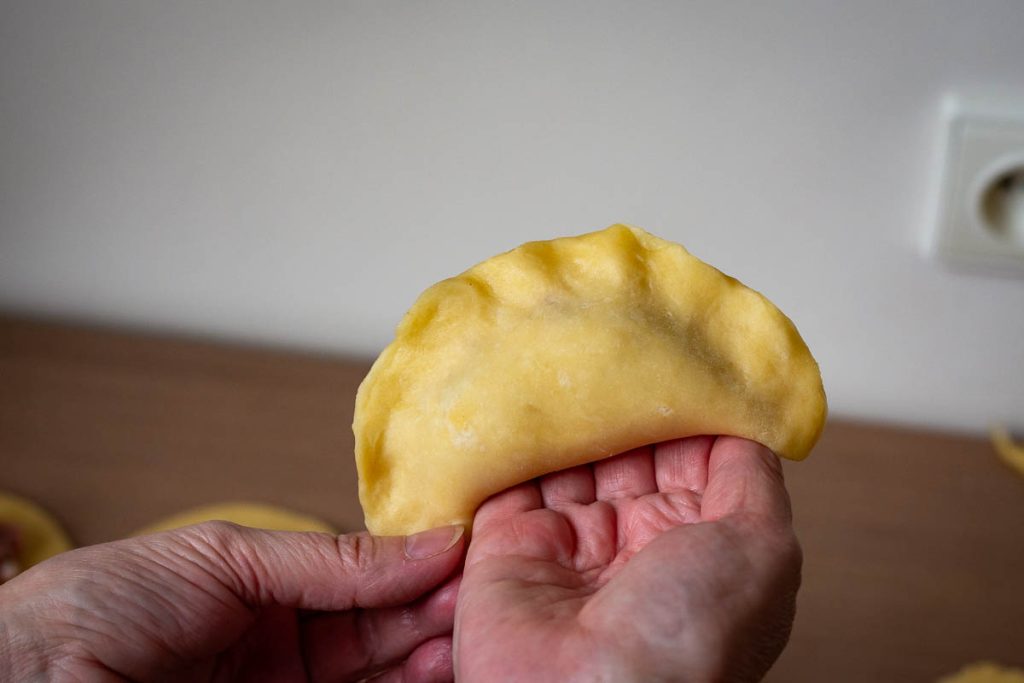
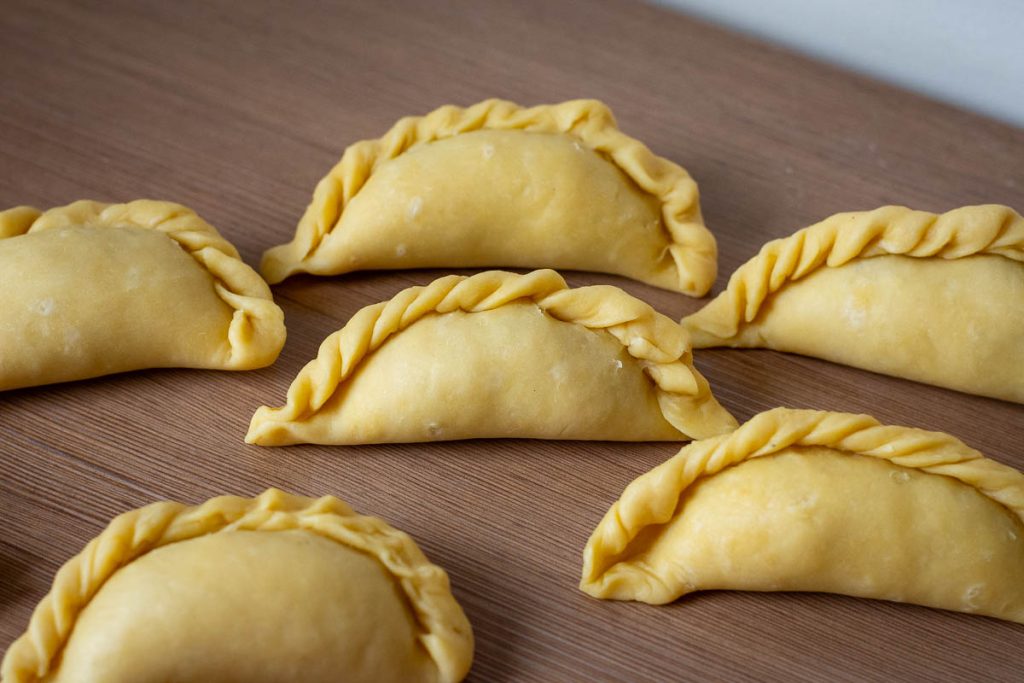
Tip: Seal well — this keeps all the juices inside during baking.
6. Bake. Place on a lined baking sheet, brush with egg wash, and bake at 350°F (180°C) for 30–35 minutes until golden brown.

Serving Suggestions
Kibinai are best served warm, ideally with a cup or bowl of broth on the side — this is how they’re traditionally enjoyed in Trakai.
These savory pastries work beautifully as:
- a quick lunch
- a hearty snack
- part of a spread at a party
They’re quite filling, so one or two is usually enough. Think of them as Lithuania’s answer to a Cornish pasty, but with a richer, more delicate pastry.
Variations
While pork is the most popular filling today, kibinai come in a variety of fillings:
- Traditional Karaite version → lamb and onion
- Beef kibinai → slightly leaner but still flavorful
- Chicken kibinai → lighter option
- Vegetarian versions → mushrooms, spinach, or even farmer’s cheese
Some modern bakeries even make sweet versions, but the classic traditional Lithuanian meat pies remain the favorite.
You can also experiment with:
- adding garlic or different herbs
- a teaspoon of sugar in the dough for balance and a deeper golden brown color
Storage and Reheating
To freeze (best method): Assemble the kibinai but don’t bake them. Freeze them on a tray, then transfer to a freezer bag. Bake from frozen, adding 8–10 extra minutes to the cooking time.
To store cooked kibinai: Keep in the fridge in an airtight container for up to 3 days.
To reheat: Reheat in the oven at 350°F (180°C) until warmed through. Avoid microwaving — they lose their crisp pastry.
Kibinai are best fresh, but freezing raw ones is the next best thing.
More Recipes Lithuania Borrowed
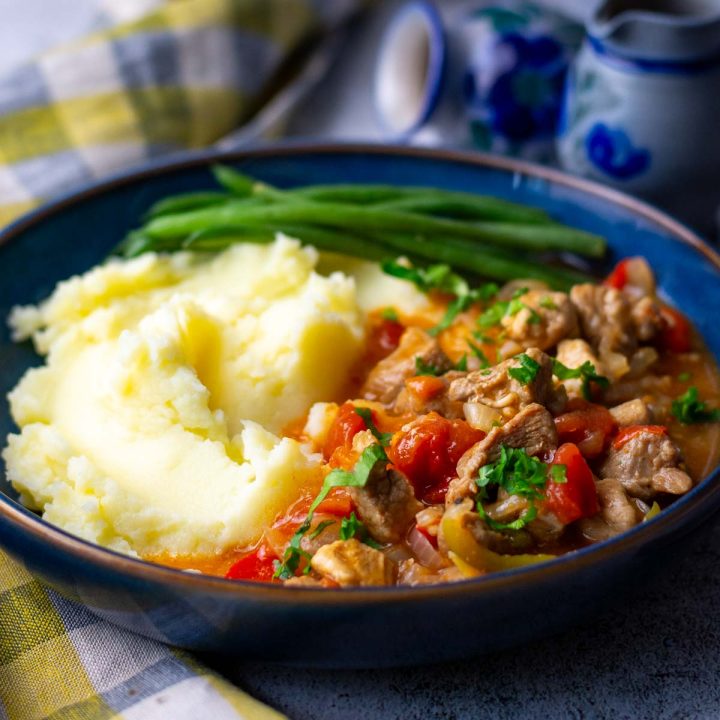
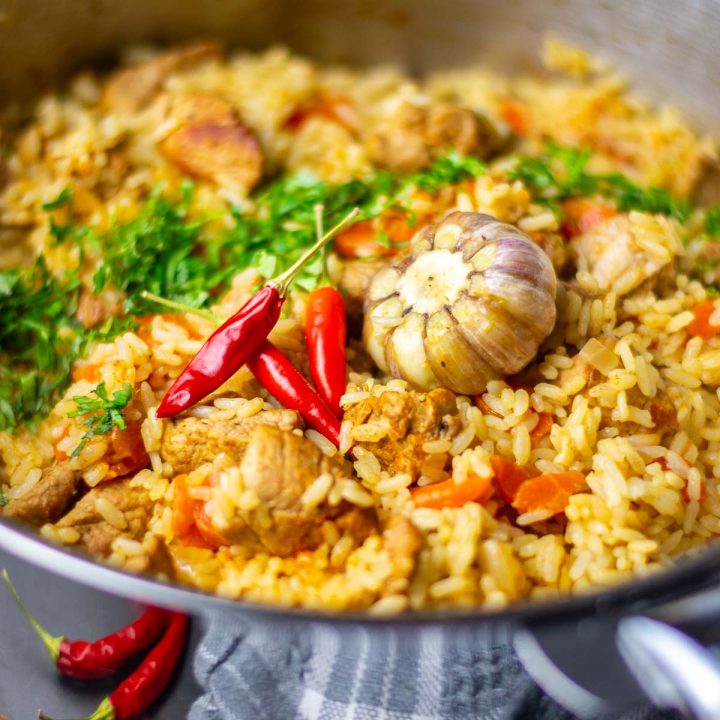
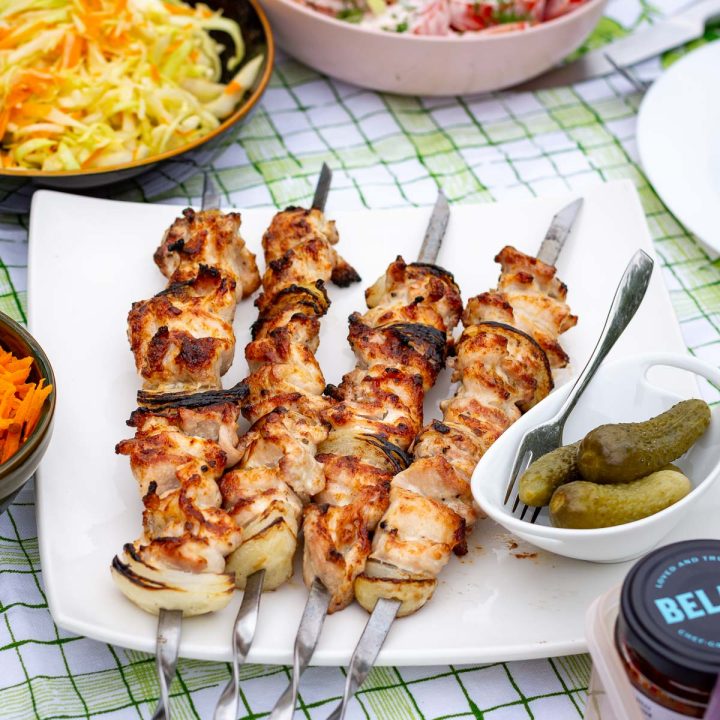
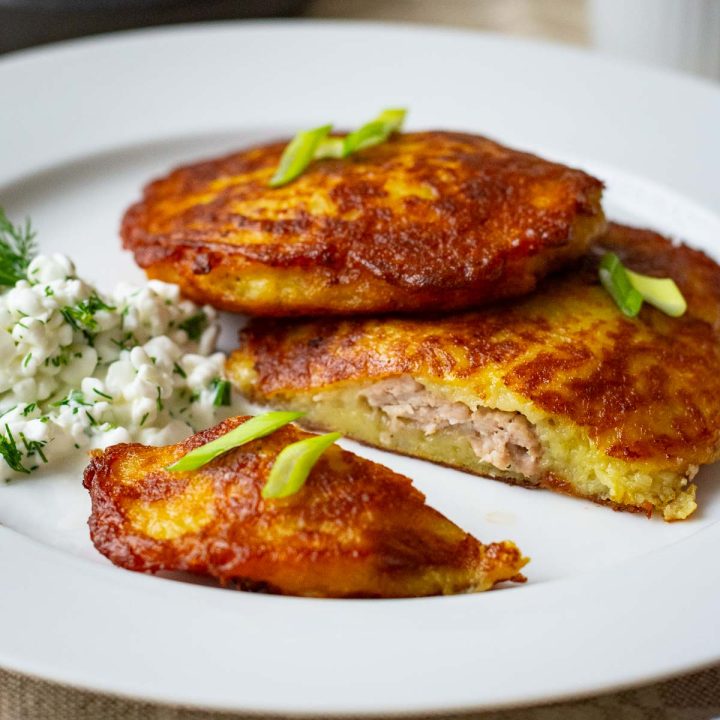
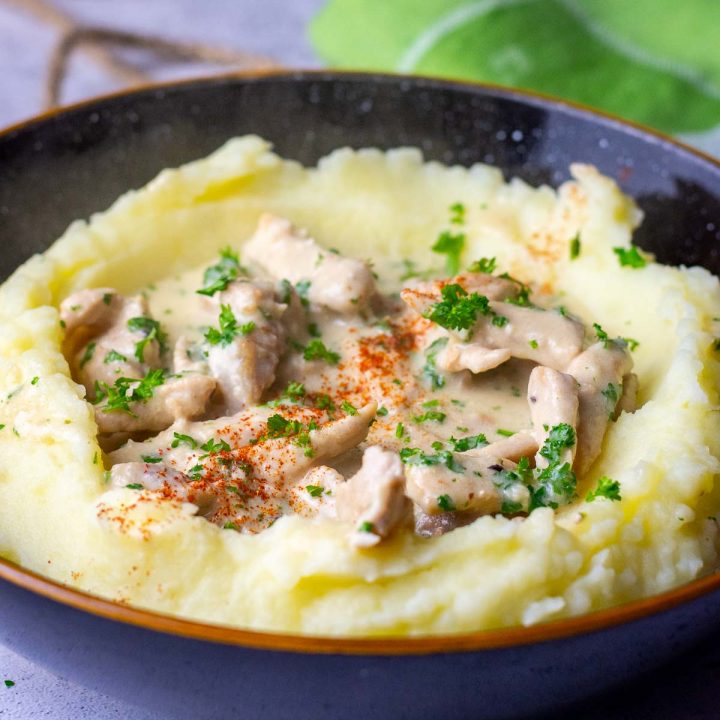
Lithuanian cuisine is full of dishes like kibinai — recipes brought from elsewhere and lovingly adopted into everyday cooking. I’ll share more of these below, from hearty stews to comforting rice dishes.


Lithuanian Kibinai - Lithuanian Meat Pies With Pork
Equipment
- Rolling Pin
- Large Baking Sheet
- Parchment Paper
- 4.5-inch (12cm) Cutter or Bowl To Cut Around
Ingredients
For The Dough:
- 480 g (4 cups) all-purpose flour
- ¾ teaspoon salt
- 200 g (14 tablespoon / 1¾ sticks) unsalted butter fridge cold
- 2 eggs large
- 120 g (½ cup) sour cream full-fat
For The Pork Filling
- 450 g (1 lb) pork butt pork shoulder (Boston Butt) or pork collar, very finely chopped
- 10 g (⅓ cup loosely packed) fresh parsley finely chopped
- 1 yellow onion finely chopped
- 2 tablespoon sour cream full-fat
- ¾ teaspoon salt
- 1 teaspoon black pepper
- 1 egg or 2 egg yolks, for egg wash
Instructions
Prepare the dough
- In a large bowl, mix the flour and salt.
- Add the cold butter, cut into small pieces. With your fingertips, rub it into the flour until the mixture resembles breadcrumbs or wet sand. You may also grate the cold butter into the flour first, or even pulse the flour and butter in a food processor.
- Add the eggs and sour cream.
- Mix and knead just enough to turn the mixture into a soft, smooth dough.
- Wrap the dough in plastic wrap and refrigerate for an hour.
Prepare the filling
- Place the finely diced pork, onion, parsley, sour cream, salt and black pepper in a large mixing bowl and mix well to combine.
Shape the kibinai
- Roll the chilled dough out to about 3–4 mm thickness. Using a bowl or a large (4.5-inch -12cm) cutter, cut out circles.
- Place a spoonful of filling in the centre of each circle.
- Fold the dough over the filling and seal the edges.
- Crimp and twist the edges with your fingers to form a decorative braided edge (see video below for visual guidance).
Bake
- Preheat the oven to 180°C (350°F). Line a baking tray with parchment paper.
- Place the shaped kibinai on the tray, leaving a few centimetres between each so that they brown and crisp rather than stew in their own steam.
- Brush with beaten egg or egg yolk.
- Bake in the preheated oven for about 30-35 minutes, until golden brown on top and the filling is fully cooked.
- Serve warm, traditionally with a cup or bowl of broth on the side.
Video


Leave a Reply