

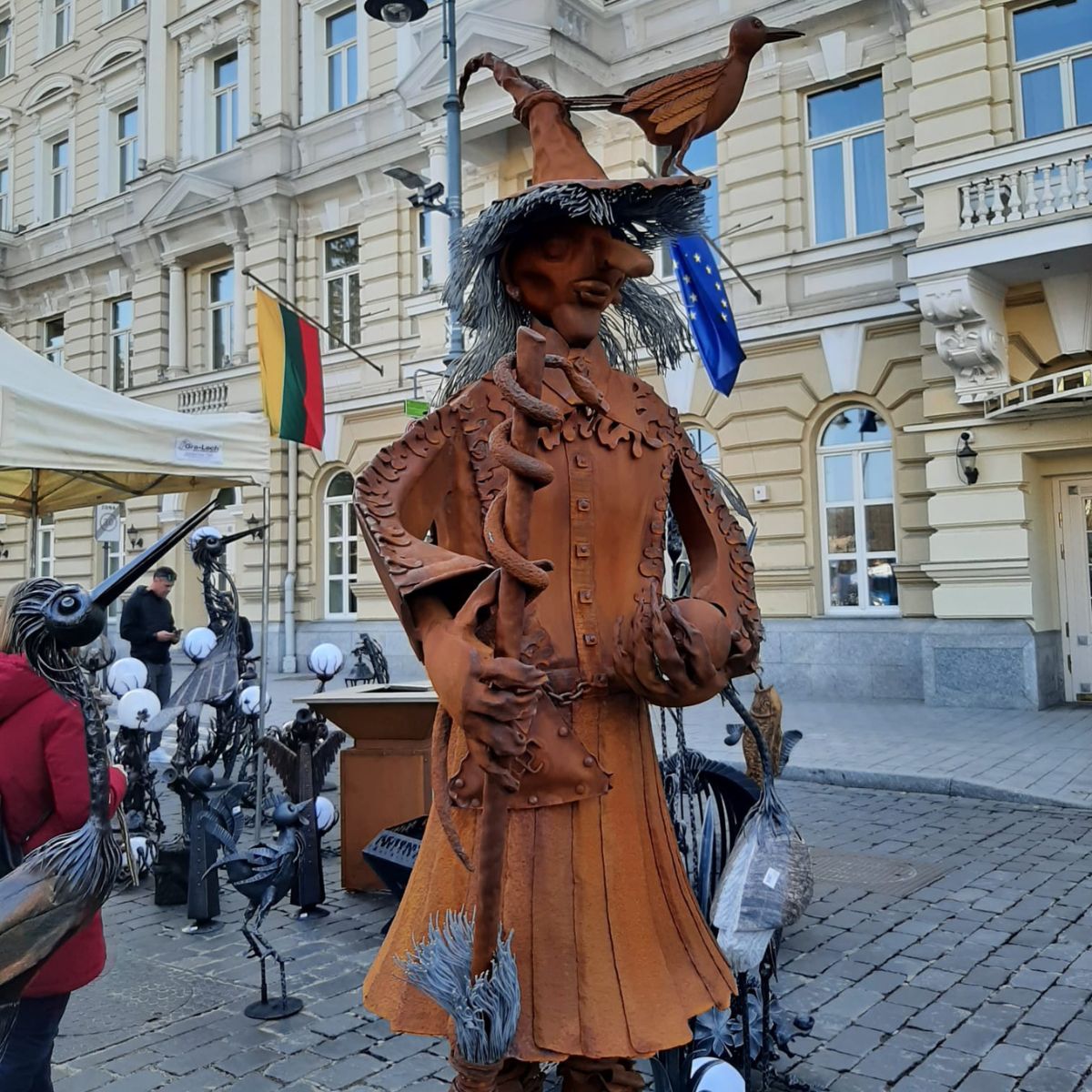
Every March, the streets of Vilnius Old Town burst into life with Kaziuko Mugė (or St Casimir's Fair), Lithuania’s biggest craft and folk fair. Dating back to the 17th century, this centuries-old tradition honors St. Casimir, Lithuania’s patron saint, but let’s be real—it’s also the perfect excuse to feast on crispy Kaziuko riestainiai, stock up on handmade crafts, and soak in the festival atmosphere. It’s history, culture, and a really good time—all rolled into one weekend!
Jump to:
History and Origins of Kaziuko Mugė
Kaziuko Mugė (or St. Casimir’s Fair) has been around for centuries—literally. It all started in the early 17th century, when Lithuania’s patron saint, St. Casimir, was canonized.
To honor him, Vilnius threw a religious festival, and because Lithuanians never miss a chance to mix faith with commerce, it quickly turned into a bustling market. What began as a solemn occasion soon evolved into an annual fair, where merchants, artisans, and farmers gathered to sell their goods.
Back in the day, the fair wasn’t just about shopping—it had a deeper purpose. Before the stalls opened, local craftsmen and traders would receive a special blessing to wish them luck in their work. While that tradition has faded, the spirit of handmade craftsmanship and community trade is still alive and well.
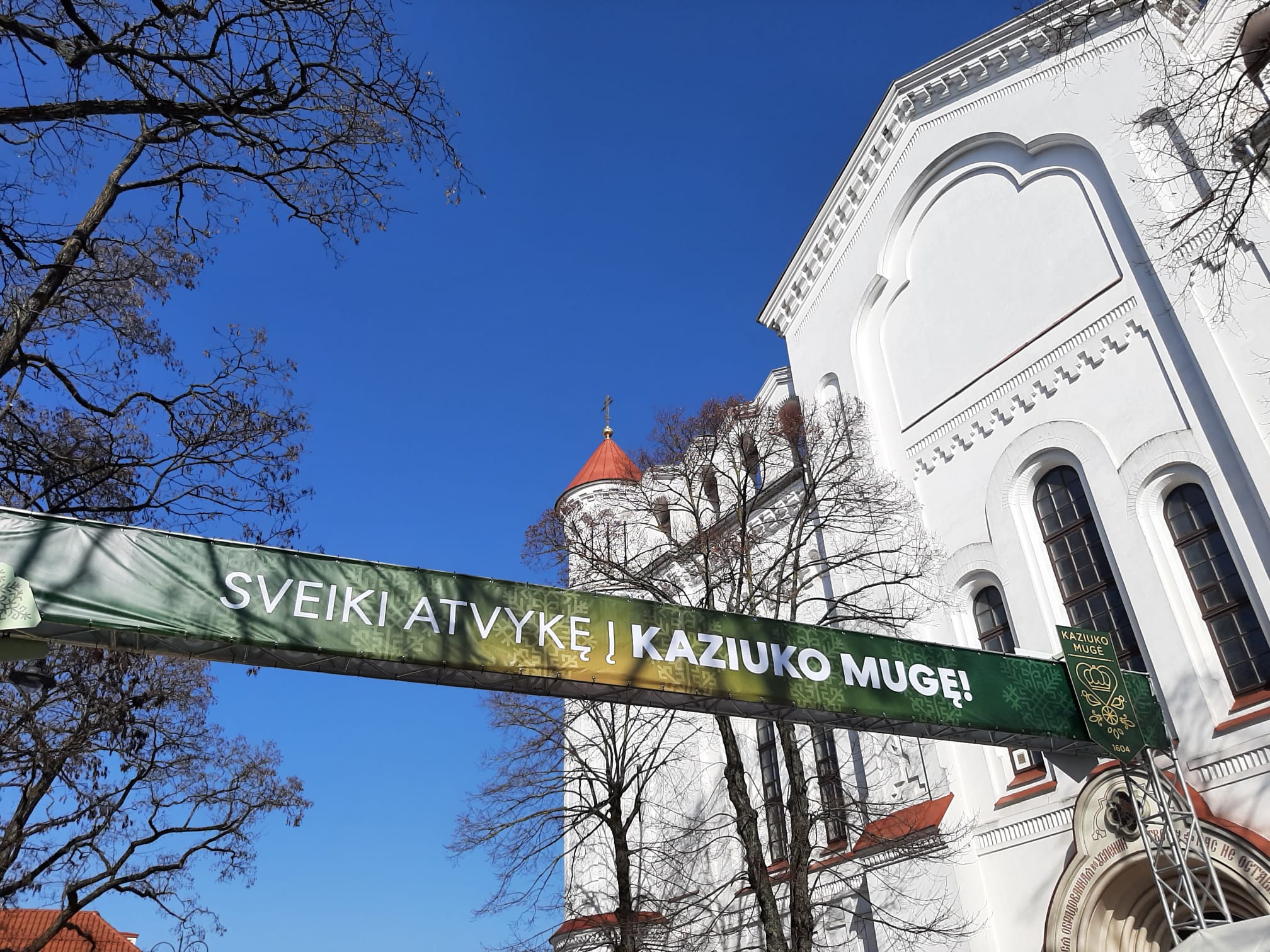
Today, Kaziuko Mugė is one of Lithuania’s biggest street fairs, drawing thousands of visitors who come for folk art, food, and an old-school market vibe that’s impossible to fake.
What to Expect at Kaziuko Mugė
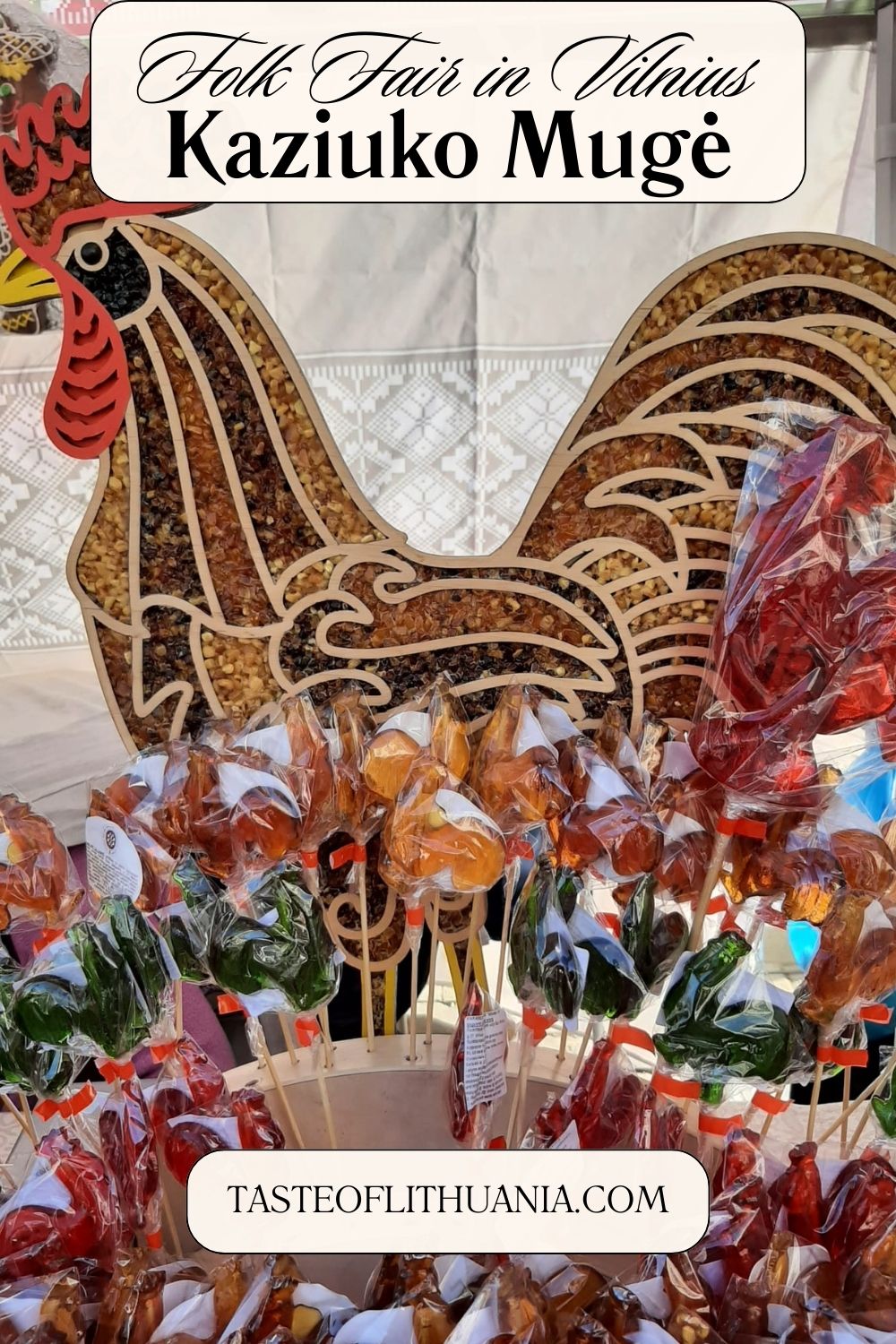
Kaziuko Mugė is a paradise for craft lovers. Stalls are packed with handmade wood carvings, ceramics, woven textiles, and delicate lacework—all made by skilled artisans keeping Lithuania’s folk traditions alive. Whether you’re after a hand-carved spoon or a beautifully embroidered tablecloth, this is the place to find it.
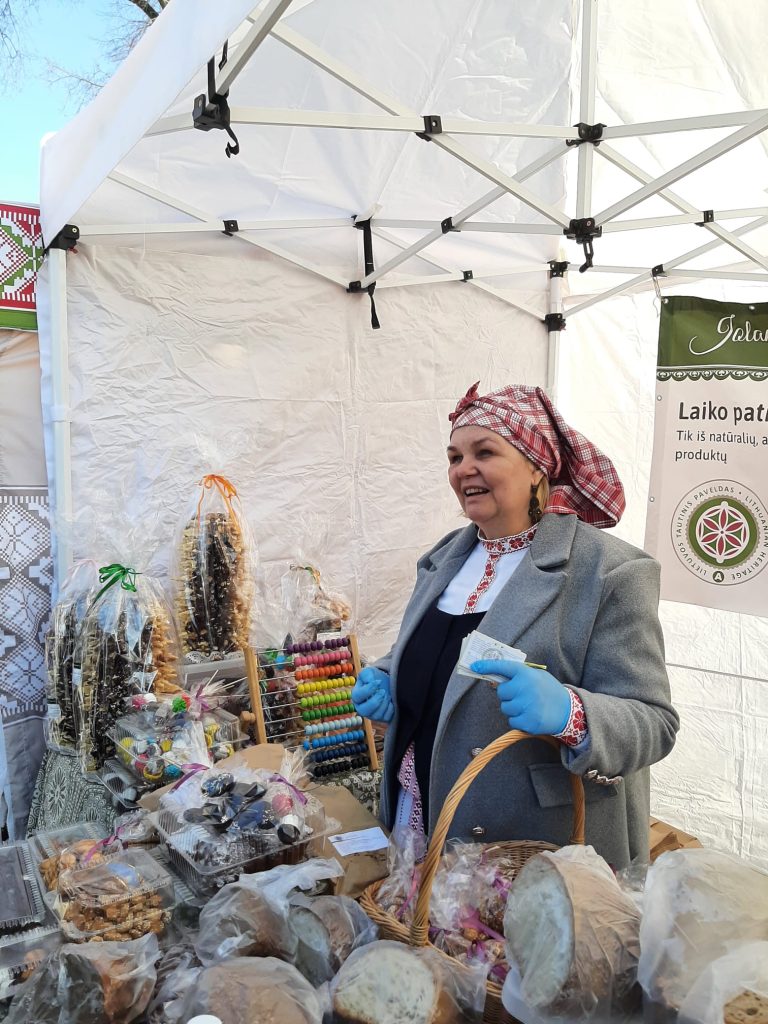
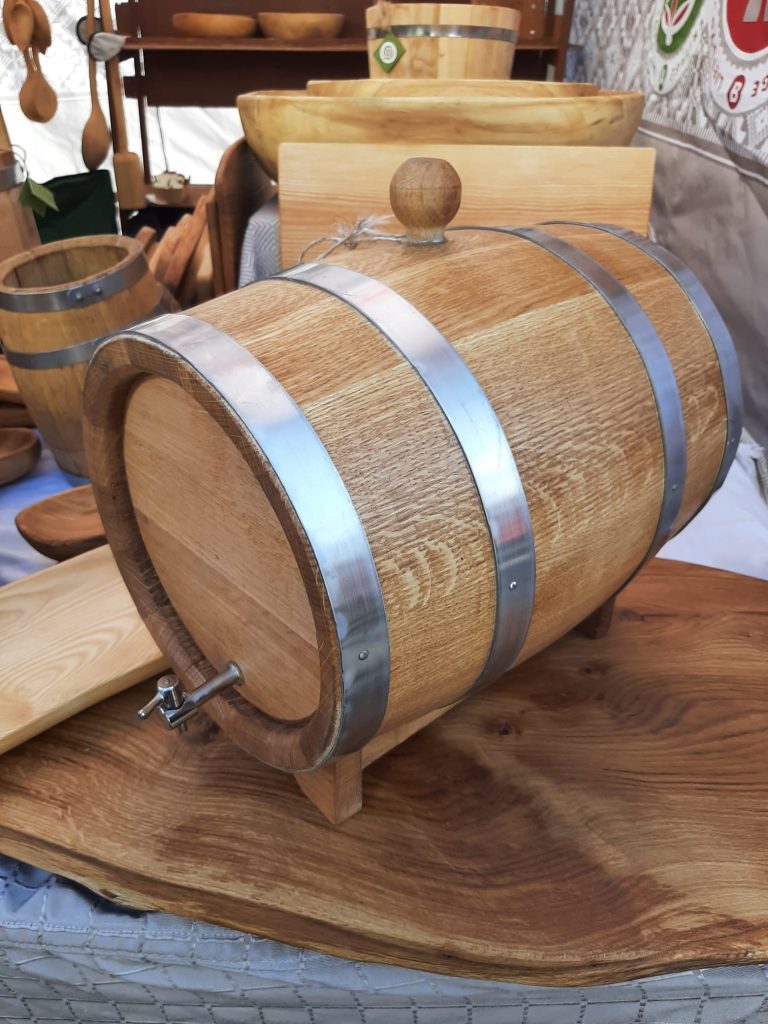
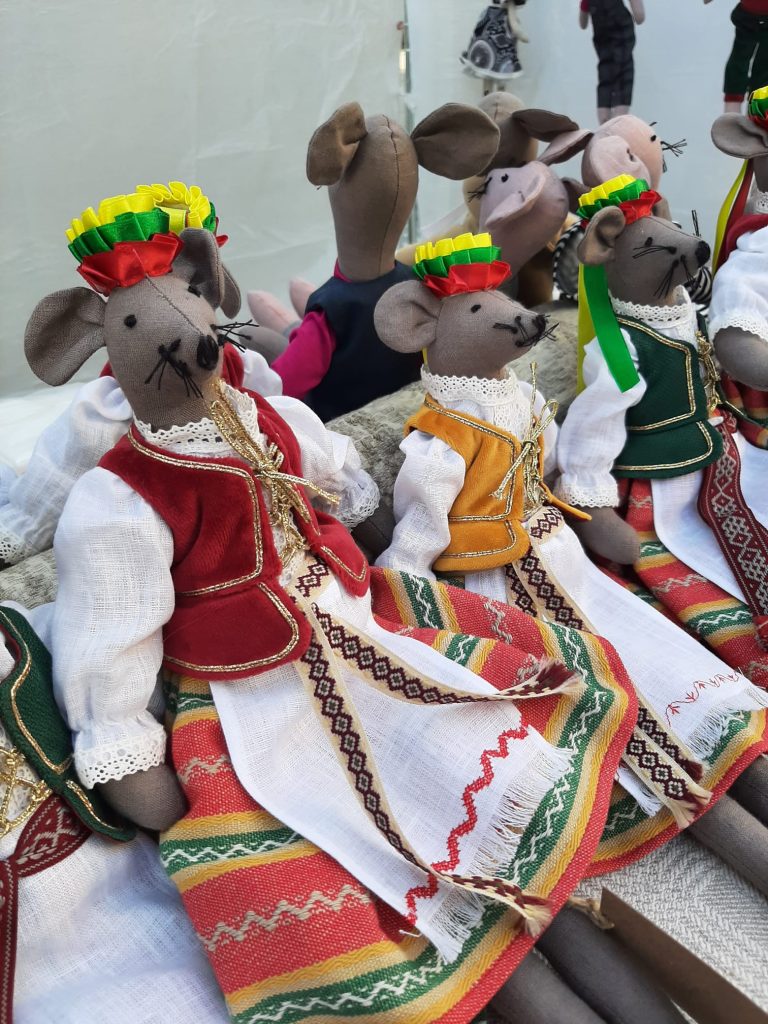
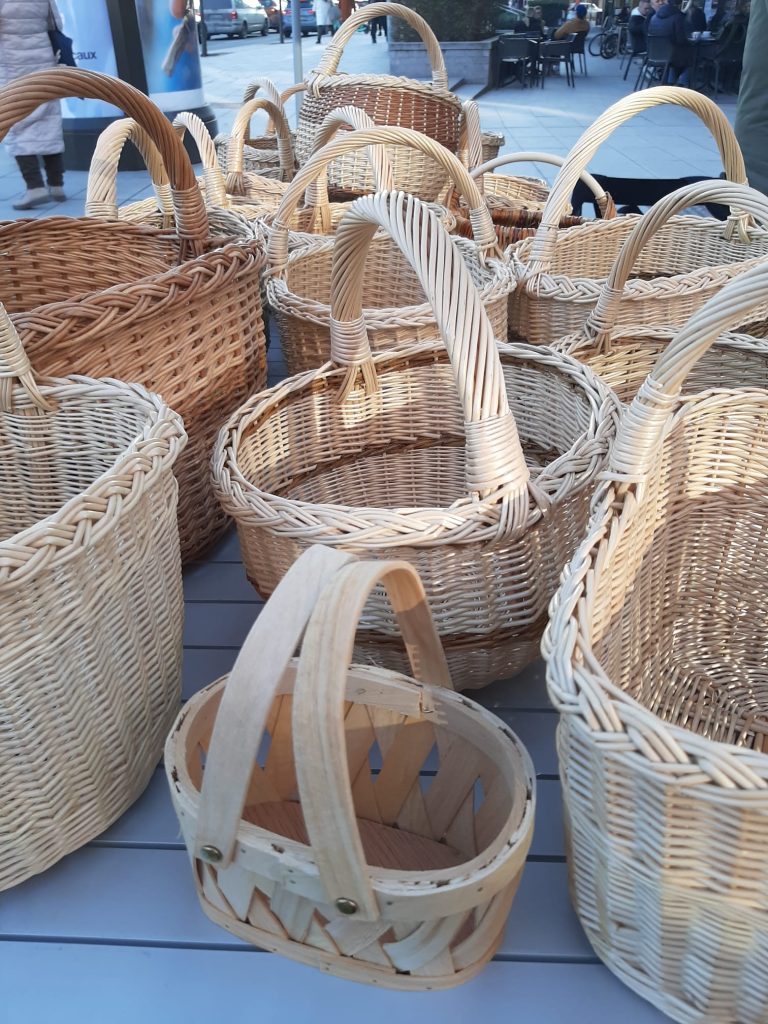
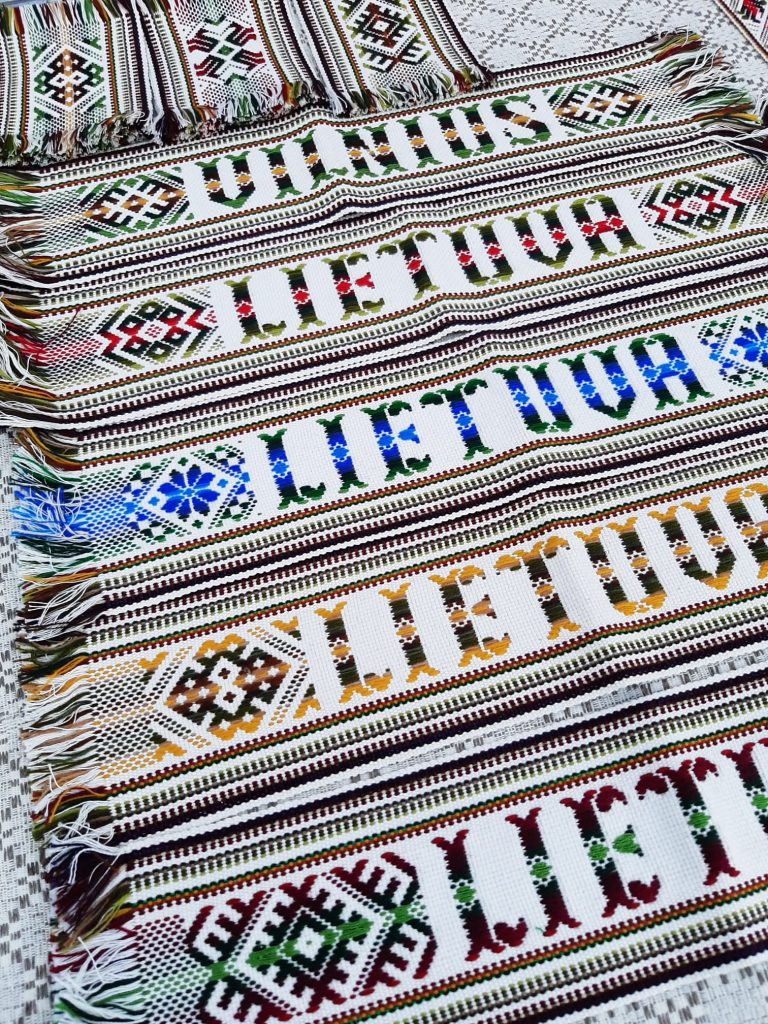
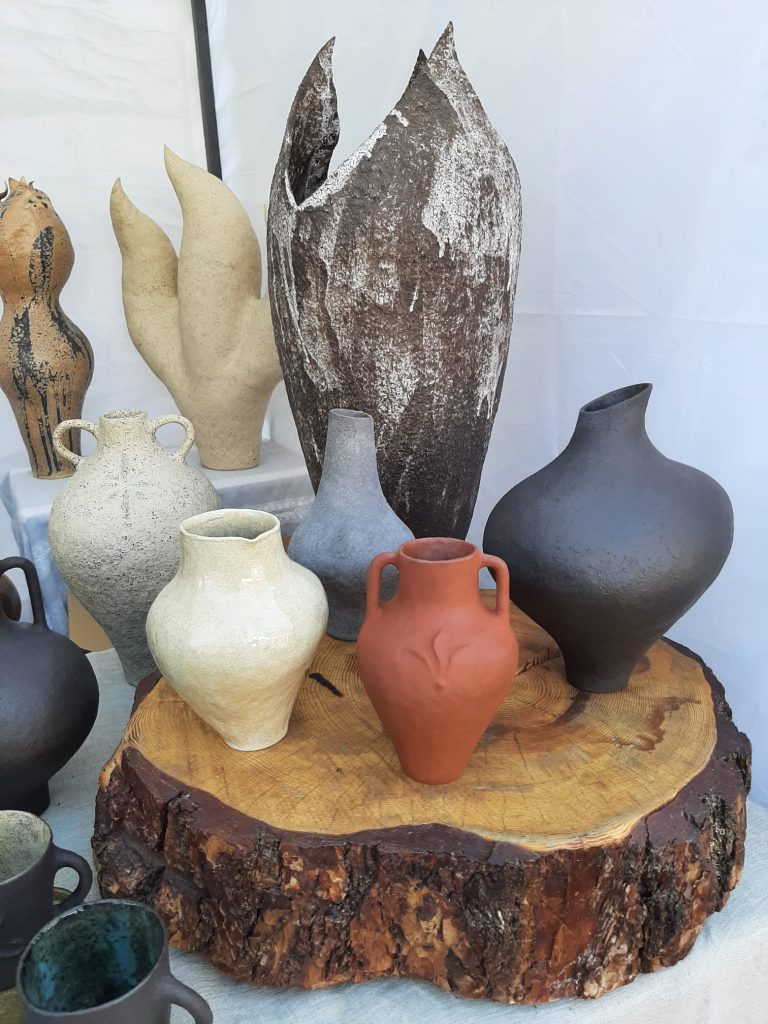
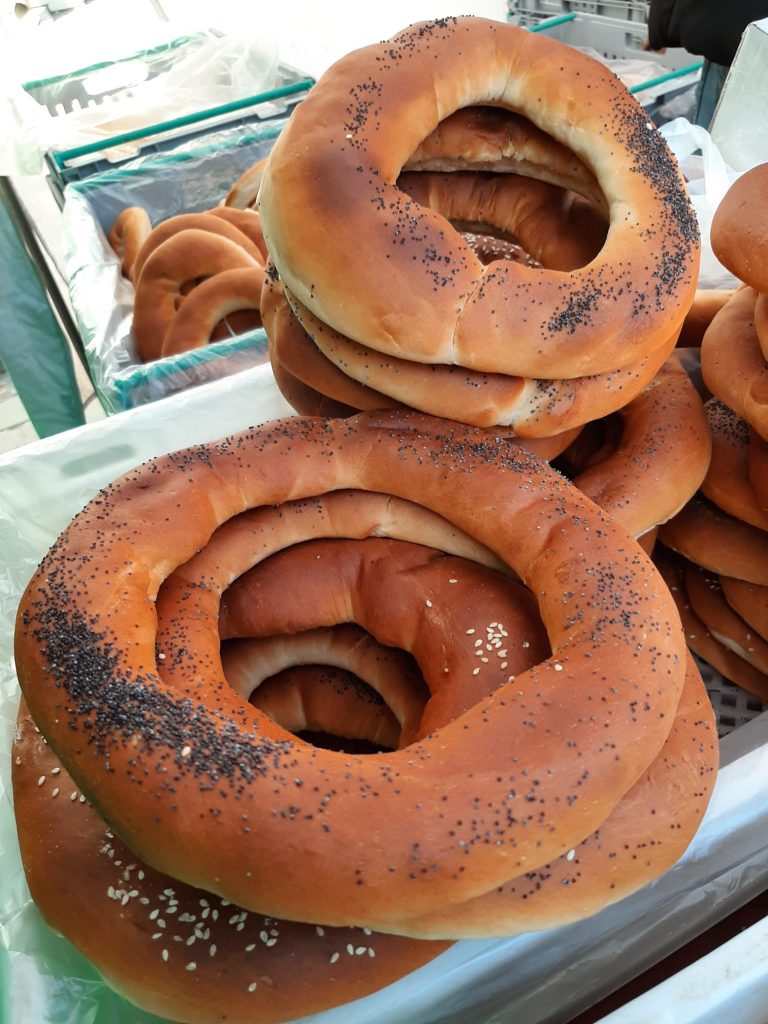
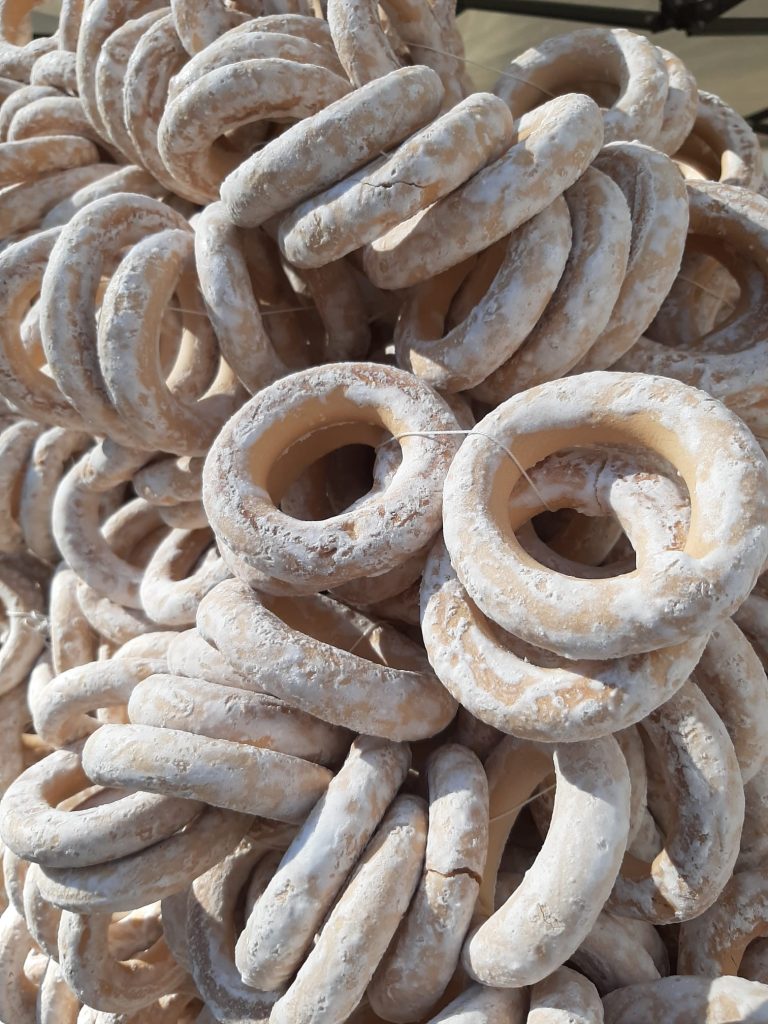
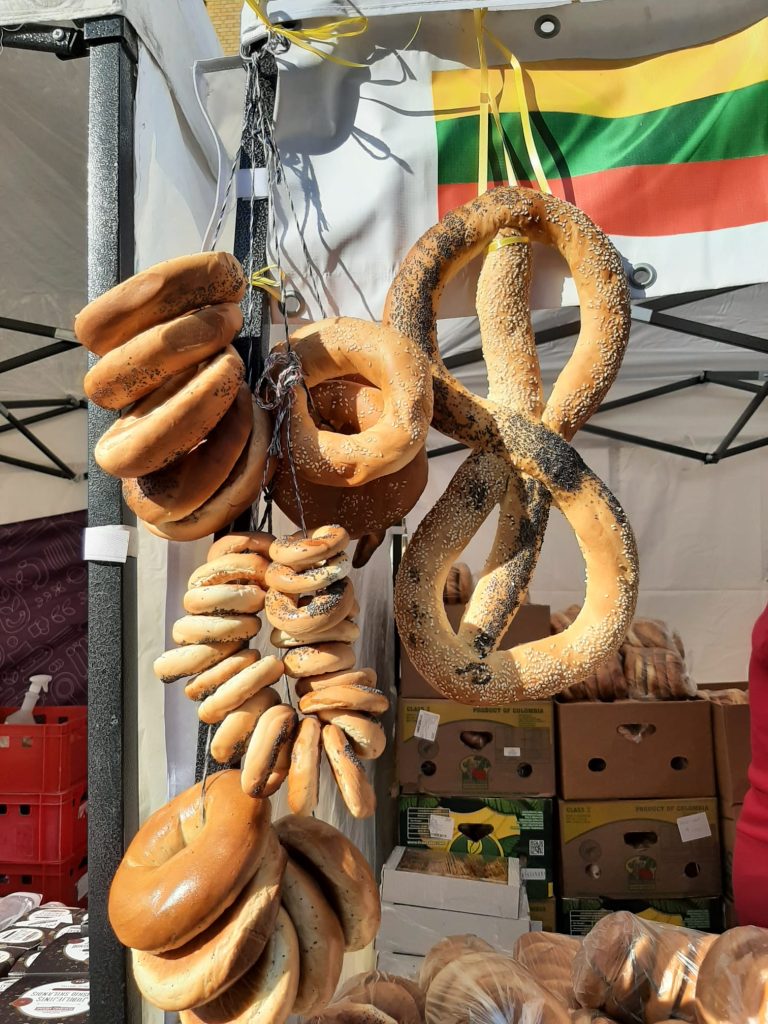
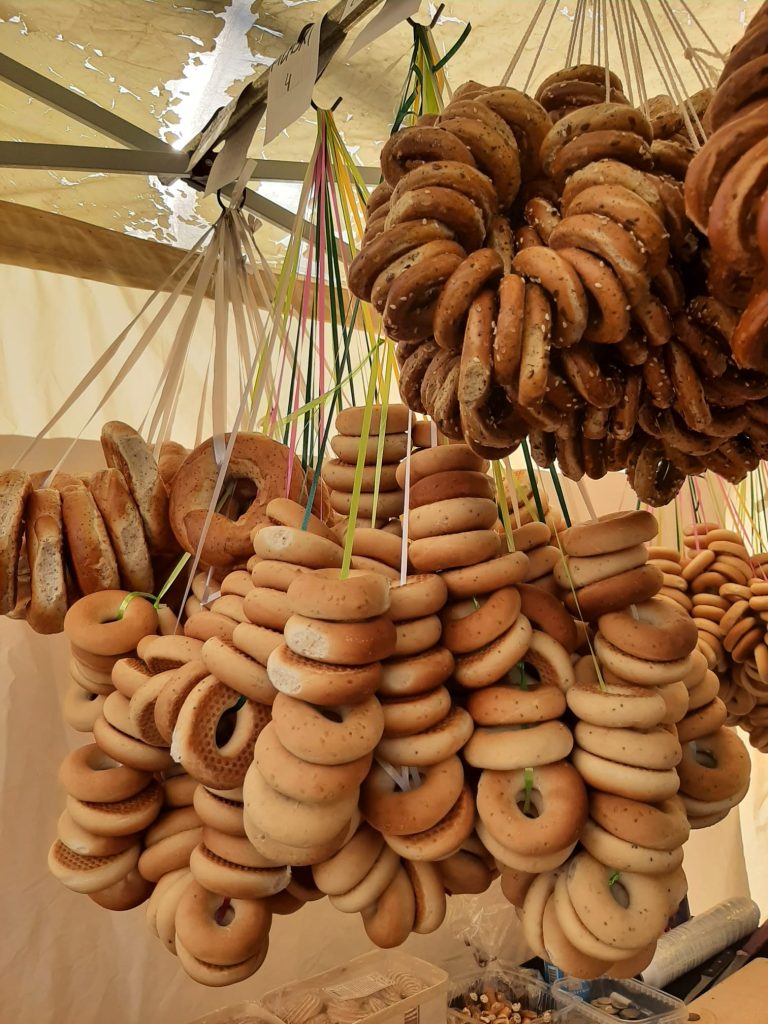
Food is a huge part of the fair, and you won’t leave hungry. Vendors sell hearty rye bread, smoked meats, jars of golden honey, and stacks of Kaziuko riestainiai—those famous twisted bagels that everyone nibbles on as they browse. If you’re lucky, you might even find a stall handing out samples of mead.
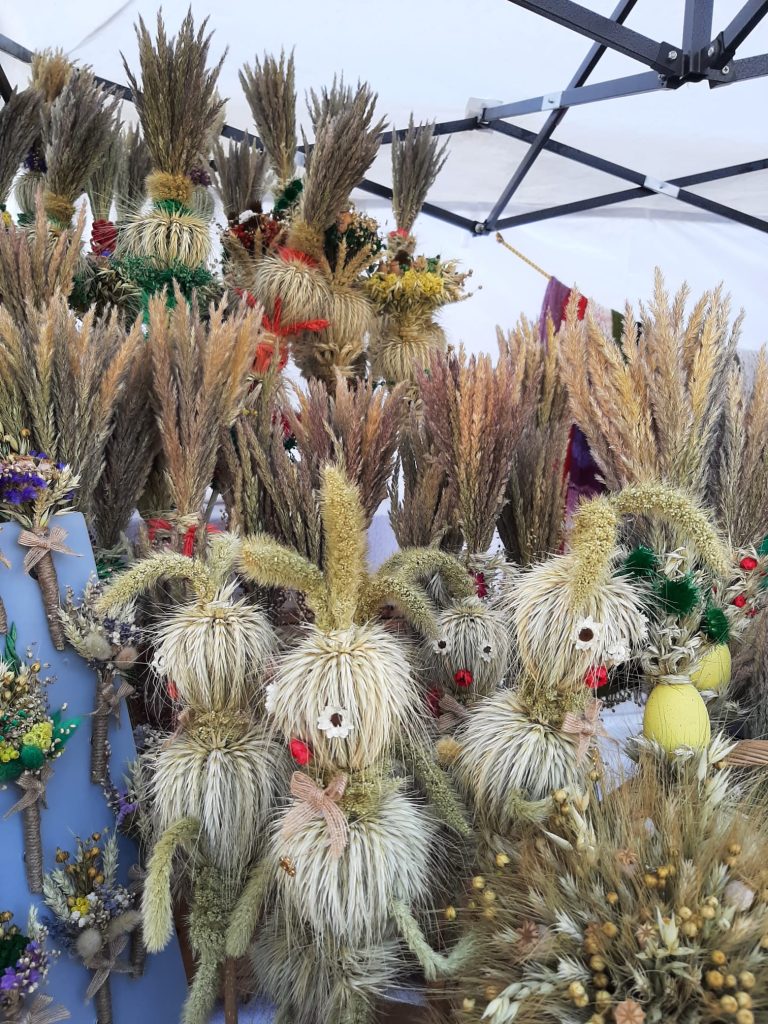
You’ll also see vibrant Verbos—colorful dried flower arrangements traditionally used for Palm Sunday blessings. These intricate bouquets, tied with ribbons and wheat stalks, are a beautiful symbol of Lithuanian heritage. Many families buy them at the fair to take home for Easter.
The streets aren’t just for shopping—they turn into a stage. Expect folk music, traditional dances, and costumed performers bringing the fair to life. Between the sounds of accordions, the smell of fresh bread, and the sight of people twirling in traditional dress, Kaziuko Mugė feels like stepping into a piece of Lithuania’s past.
Must-Try Traditional Foods
KAZIUKO RIESTAINIAI: No trip to Kaziuko Mugė is complete without Kaziuko riestainiai—sweet, crunchy bagels strung together like edible souvenirs. These come in different flavors, from plain vanilla to poppy seed or even chocolate-dipped. They’re fun to snack on as you wander the fair (and even better when dunked in coffee).
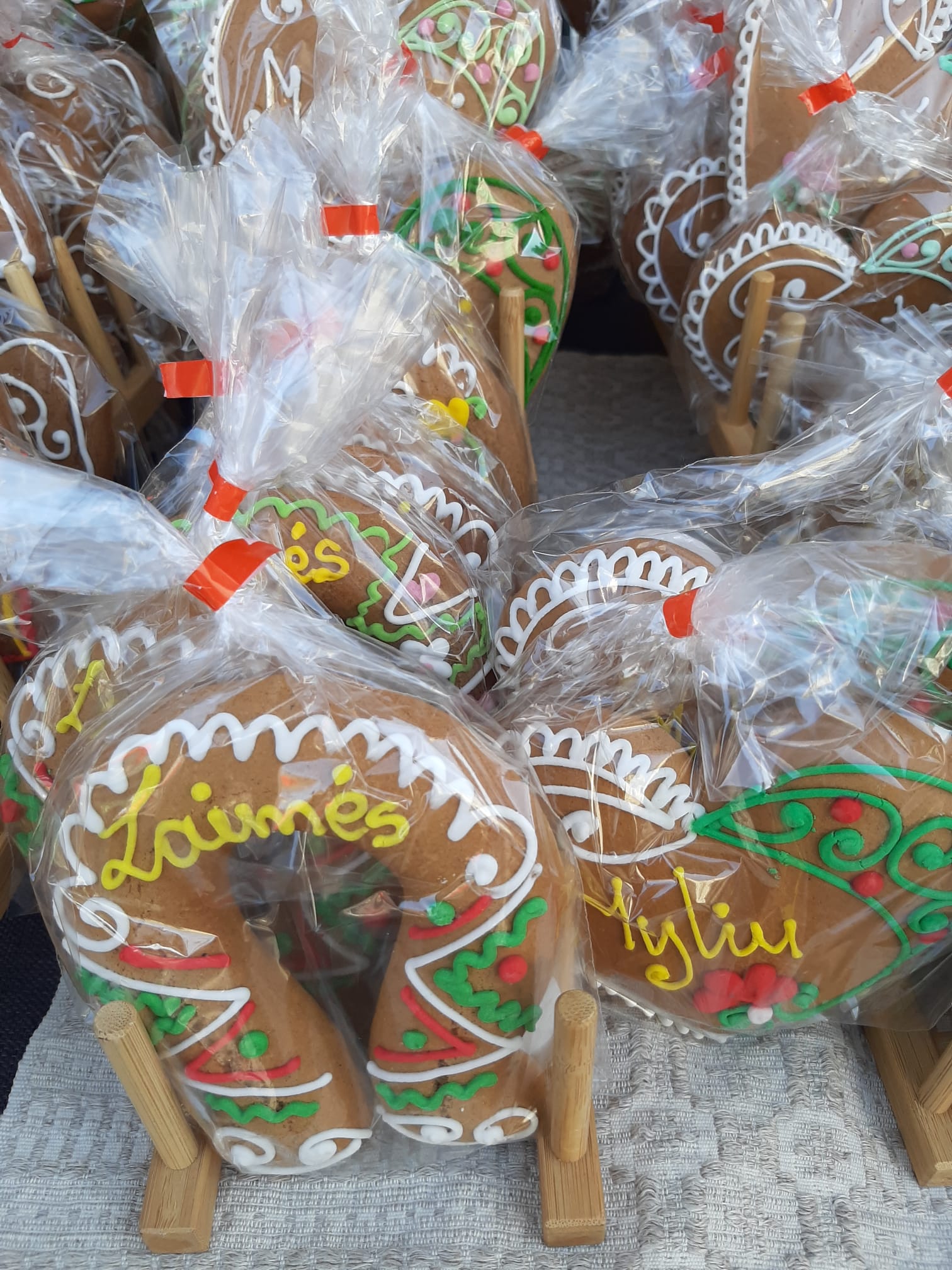
MEDUOLIAI: If you have a sweet tooth, keep an eye out for meduoliai—spiced gingerbread cookies, often shaped like hearts and decorated with icing. These are a popular gift between sweethearts, and some vendors will even personalize them with names.
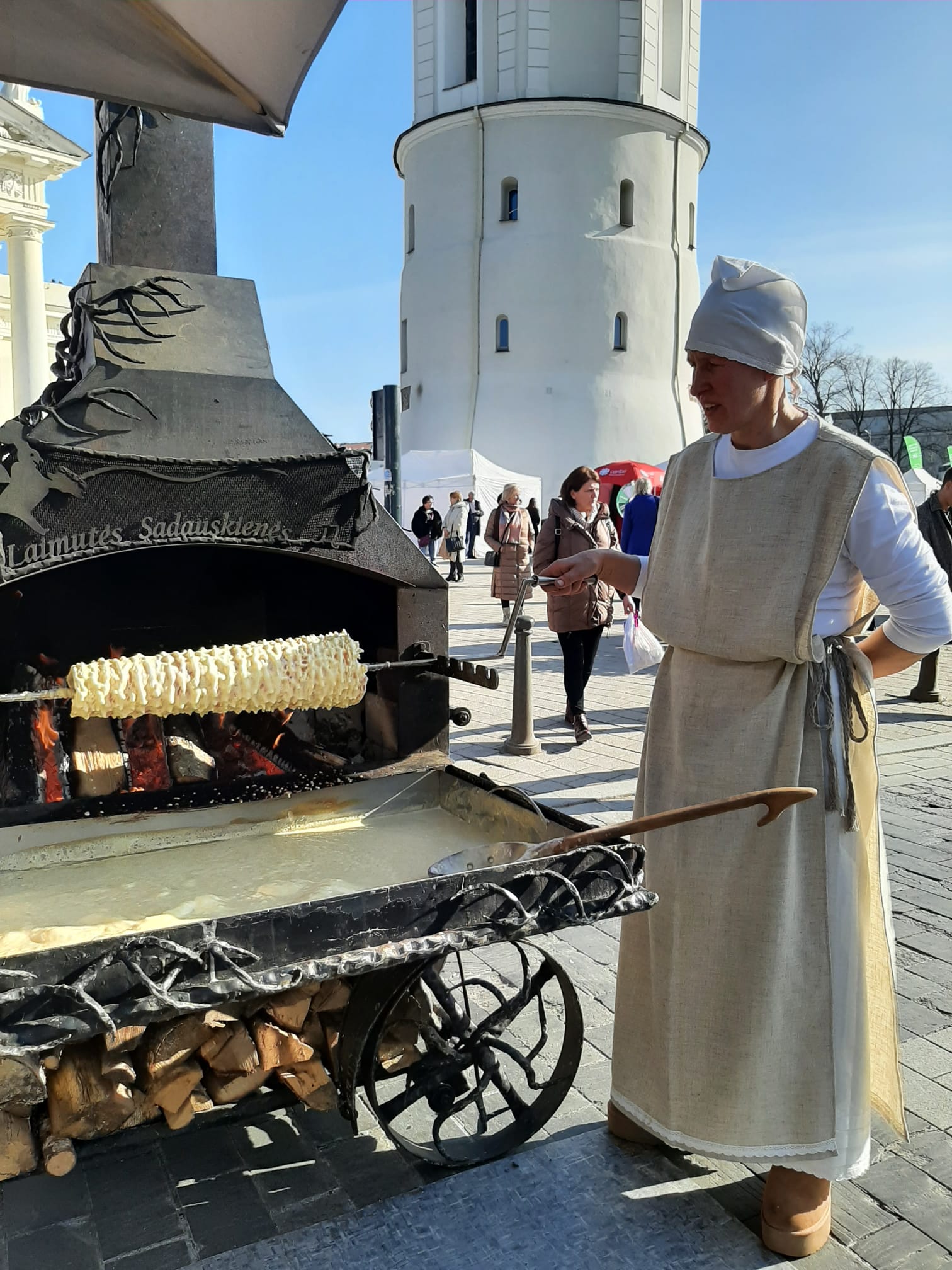
SAKOTIS: Then there’s šakotis, Lithuania’s famous spit cake. This golden, tree-like cake is made by drizzling batter over a rotating spit, forming crispy layers. It’s buttery, slightly sweet, and completely addictive. If you haven’t tried it yet, Kaziuko Mugė is the perfect place to start.
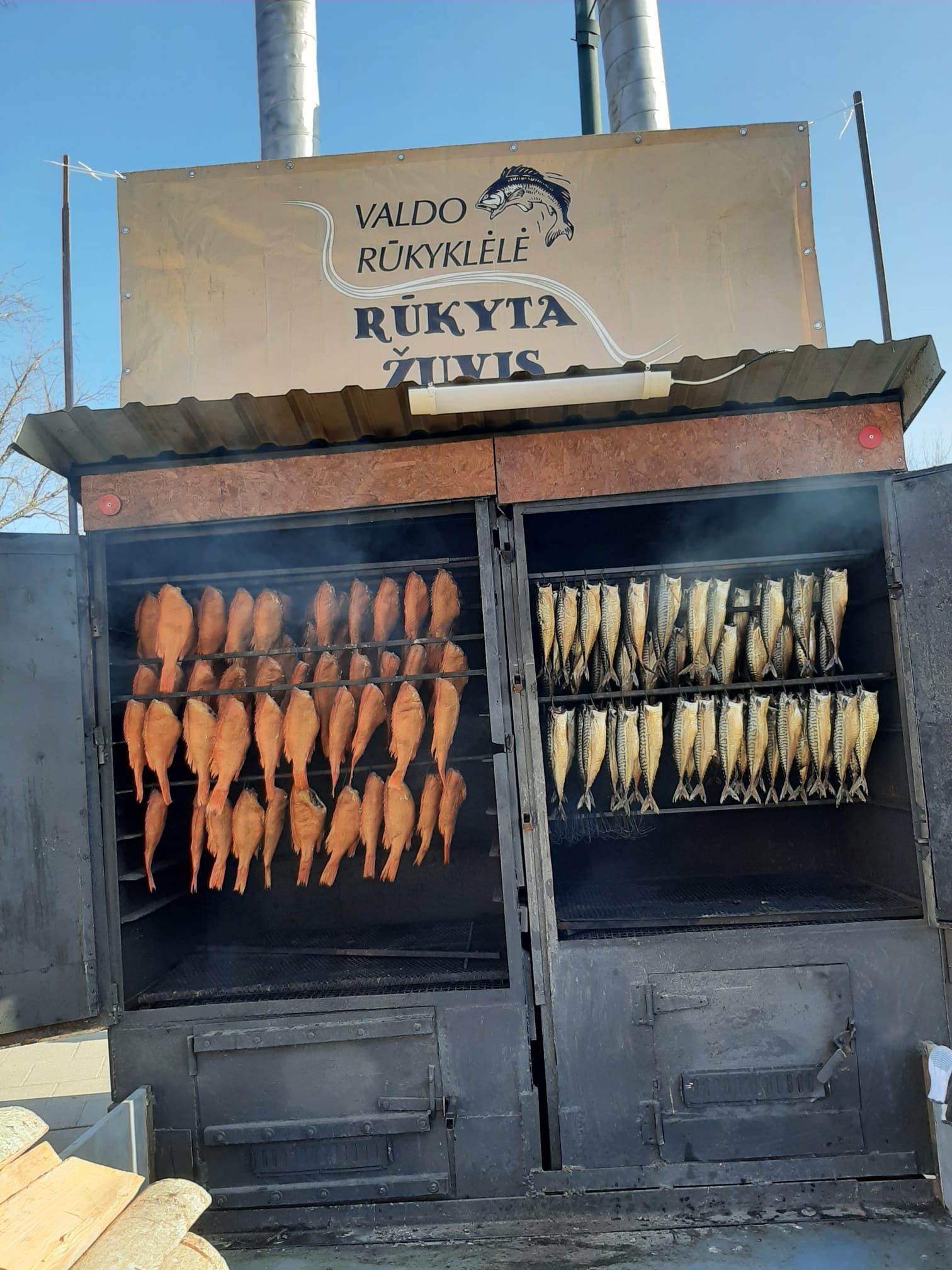
For something savory, check out the stalls selling local cheeses, smoked fish, and honey. These highlight Lithuania’s rich food traditions—whether it’s creamy farmer’s cheese, smoked mackerel, or a jar of linden honey, you’re guaranteed to find something delicious to bring home.
When Is It Taking Place & Tips for Visitors
Kaziuko Mugė happens the first weekend of March in Vilnius Old Town, transforming the streets into a bustling marketplace filled with crafts, music, and the smell of fresh bread. It’s one of the biggest and oldest fairs in Lithuania, drawing locals and visitors alike.
What to Wear: Lithuanian spring is unpredictable—one minute it’s sunny, the next it’s snowing. Dress in layers, wear waterproof shoes, and don’t forget gloves. You’ll be walking a lot, so comfort over fashion is the way to go.
How to Navigate the Fair: Mornings are less crowded, so if you want the best selection of crafts and food, go early. The main streets—Gediminas Avenue, Pilies Street, and Cathedral Square—are where most of the action happens, but don’t be afraid to wander down side streets for hidden gems. If you’re hoping to avoid the biggest crowds, Sunday afternoon is usually the quietest time.
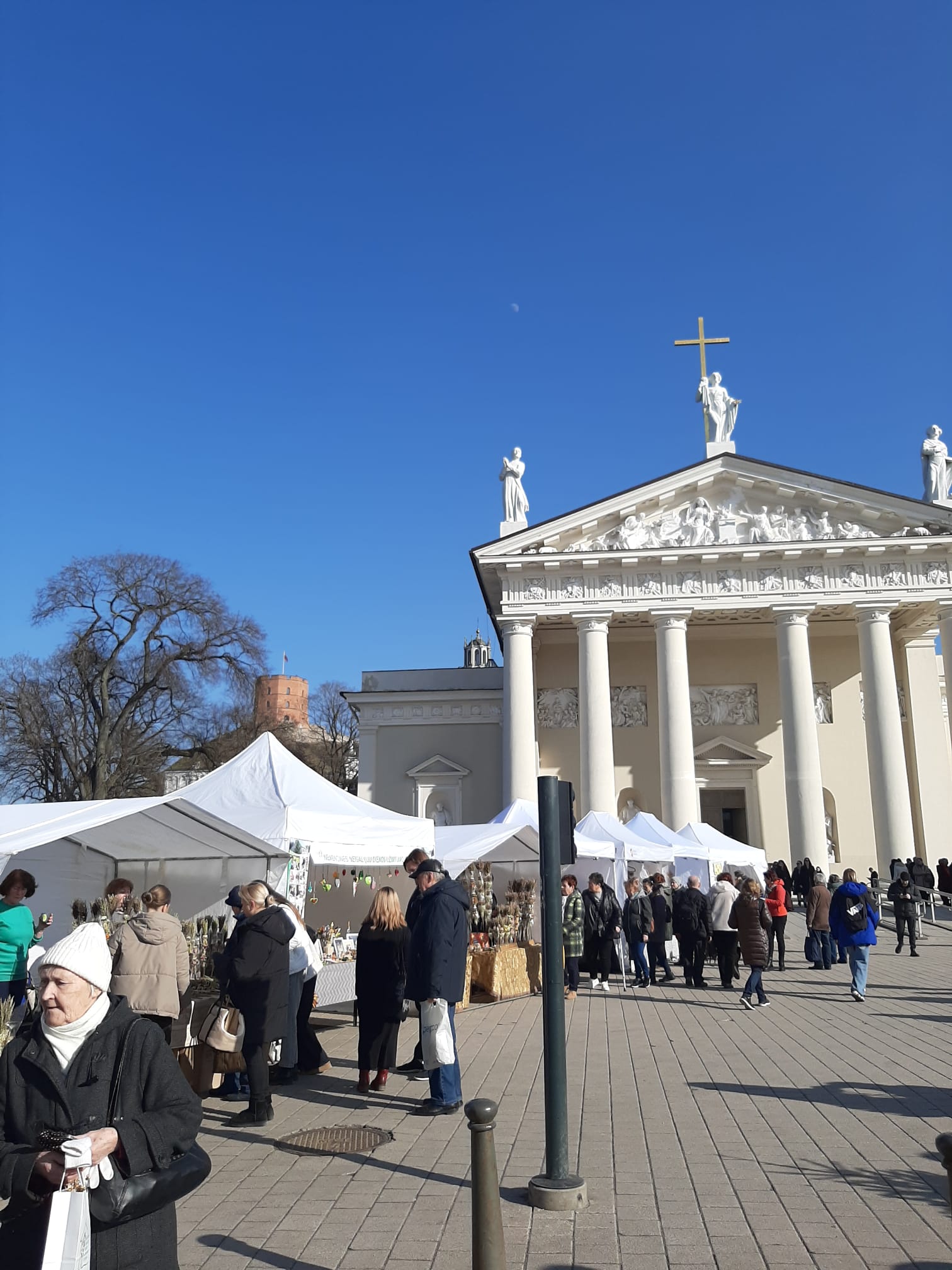
More Than Just a Market – A Celebration of Lithuanian Culture
Kaziuko Mugė isn’t just about shopping for handmade crafts or stuffing yourself with šakotis (though, let’s be honest, that’s a big part of the fun). It’s a celebration of Lithuanian heritage, community, and tradition—a weekend where the old meets the new, and locals proudly showcase their culture to the world.
Whether you're bargaining for a hand-carved wooden spoon, warming up with a cup of honey mead, or watching folk dancers twirl through the streets, you're experiencing something deeply Lithuanian.

Leave a Reply