

If you’re ready to break up with boring side dishes, Grikių Košė is here to shake things up! This buckwheat porridge is more than just a humble bowl of "grains" (seeds, actually)—its earthy flavor and great texture make it a standout on any plate. This Buckwheat Side Dish is cozy, hearty, and unapologetically wholesome, perfect for adding that old-world Lithuanian flair to your next meal.

Jump to:
This buckwheat side dish is also a part of my sample winter meal plan featured in Eat Like a Lithuanian For A Week.
Buckwheat: Eastern European Favourite
Buckwheat, or grikiai in Lithuanian, is a staple ingredient across Eastern Europe, beloved for its versatility, nutrition, and earthy flavor. This “pseudo grain” isn’t just popular in Lithuania; it’s a pantry essential in places like Poland and Russia, too.
Let’s dive into why buckwheat has been a Lithuanian favorite for generations, the many health benefits it offers, and where to find it if you’re ready to give this ancient seed a try.
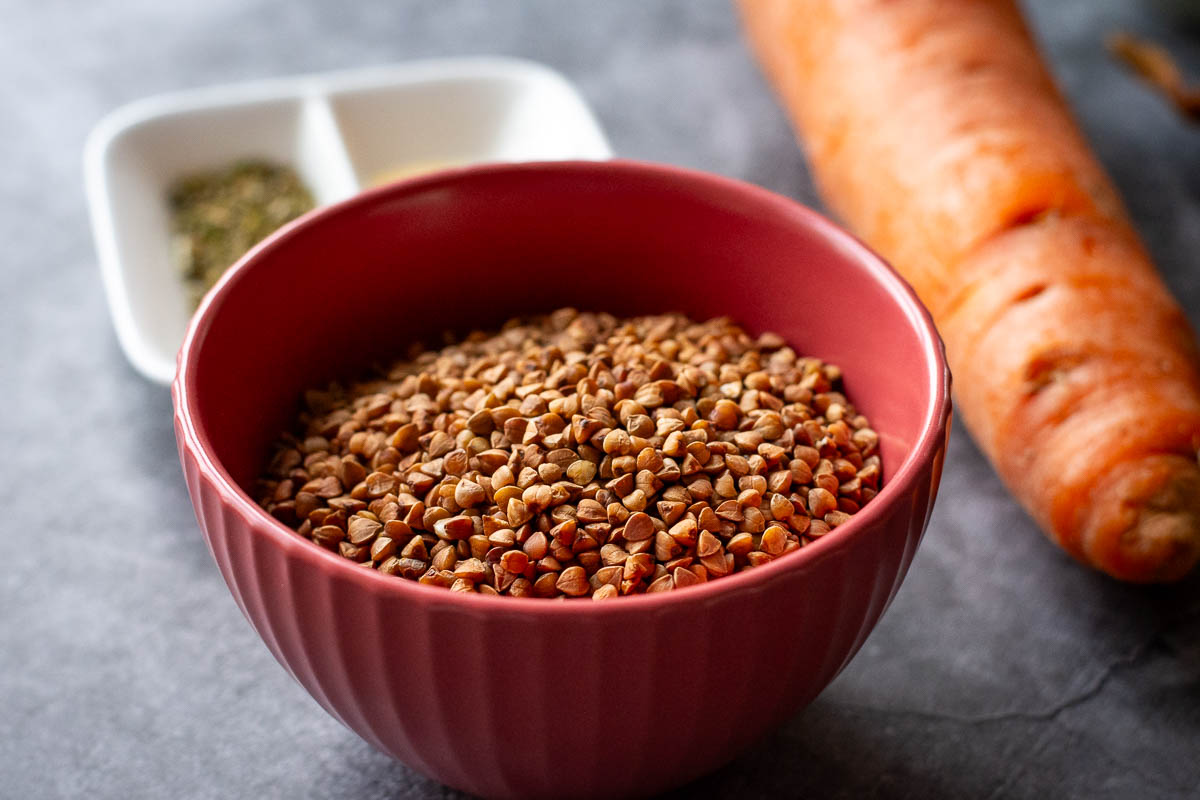
Why Are Buckwheat Groats So Popular in Lithuania?
In Lithuania, buckwheat groats, known as grikių kruopos, have been a trusted staple for centuries. Its hardiness in colder climates makes it a natural fit for the region, providing a reliable, nutrient-dense option that could sustain people through long winters.
Lithuanians typically use whole groats for cooking, often making hearty side dishes like Grikių Košė (which translates to buckwheat porridge), Buckwheat Fritters or even a warm buckwheat salad. The mild, nutty flavor of buckwheat pairs well with vegetables, like sautéed carrots and onions, making it a perfect partner for many main dishes.
Health Benefits of Buckwheat and Suitability for Dietary Requirements
Buckwheat is more than just a filling side; it’s a nutritional powerhouse! It’s packed with essential amino acids, making it a complete protein—a rare quality among plant-based foods. For anyone following a gluten-free diet or dealing with celiac disease, buckwheat is a lifesaver, offering a safe and satisfying gluten-free seed alternative to grains.
With its grams of fiber and vitamin B content, it supports healthy digestion, stable blood sugar levels, and a resilient immune system. And it's a great source of potassium. Additionally, buckwheat contains up to 13 grams of protein per serving, putting it on the map as a true superfood.
Where to Buy Buckwheat Groats
Finding quality buckwheat groats can be easy if you know where to look. Often labeled as buckwheat kasha or simply kasha in Polish, you’re likely to spot it in local Eastern European stores or health food stores.
If you’re on the lookout for more buckwheat options, you’ll also find buckwheat flour, great for gluten-free baking. Many Eastern European markets stock it, but as buckwheat’s popularity rises as a health food, you might also see it in larger grocery stores and online.
How To Cook Buckwheat As A Side Dish?
Cooking buckwheat is super simple—the easiest way is to boil the groats until tender and then mix them with a variety of sautéed, roasted, or fresh veggies and herbs. This versatile base goes well with almost any flavor profile and makes for a satisfying buckwheat recipe that’s ready in minutes.
But if you’re up for trying different ways of enjoying buckwheat, you could also go for a hearty Buckwheat Casserole or Lithuanian Buckwheat Fritters — both take a little more time but are totally worth the effort!
Ingredients and Substitutes
Here are all the simple ingredients you'll need to make this simple Lithuanian Buckwheat Side Dish:
- toasted buckwheat groats (kasha): not green/ raw buckwheat groats.
- olive oil: or neutral oil like sunflower or canola oil.
- vegetables: we used carrot and onion, but feel free to add whatever you have, like small broccoli or cauliflower florets, green beans, sauteed mushrooms etc.
- tomato ketchup: or make your own tomato sauce (which we prefer), by mixing tomato puree (aka tomato paste) with fried herbs, garlic powder and water.
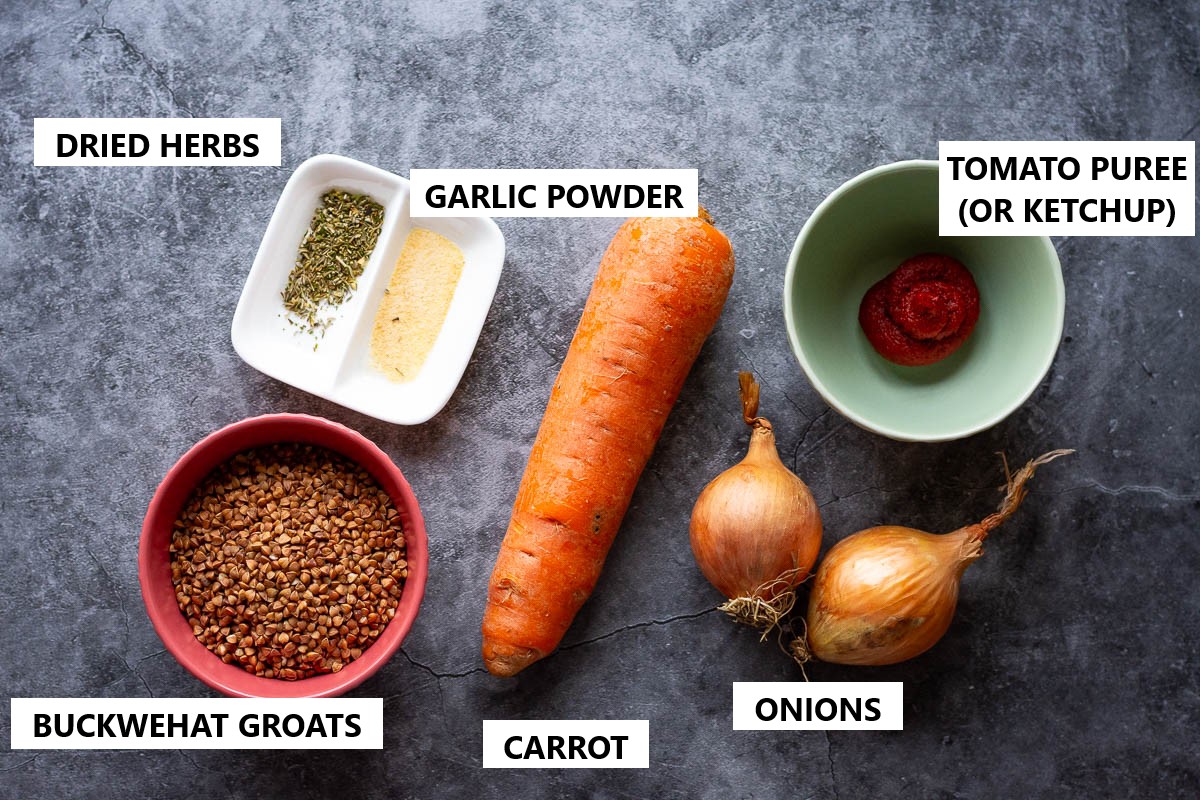
Find the ingredient quantities and detailed instructions in the recipe card at the bottom of the post.
Step-By-Step Method
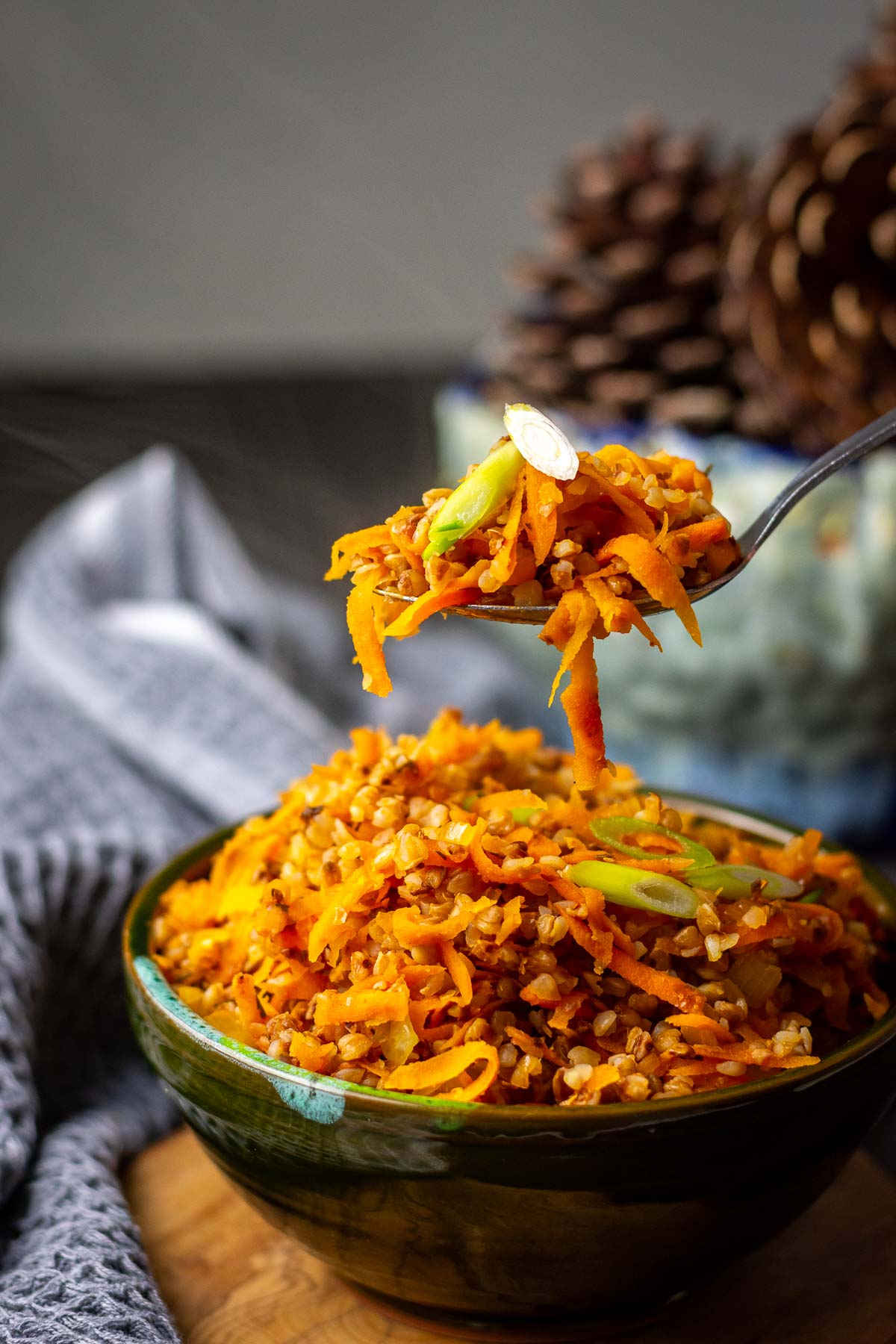
1. Cook the buckwheat following the instructions on the packet. It should take about 12-15 minutes in boiling water over medium heat. Your buckwheat should be soft and tender, but not completely mushy.
2. Whilst the buckwheat cooks, add oil to a large skillet. Sautee the onions and carrots over low-medium heat for 10-12 minutes, until soft.
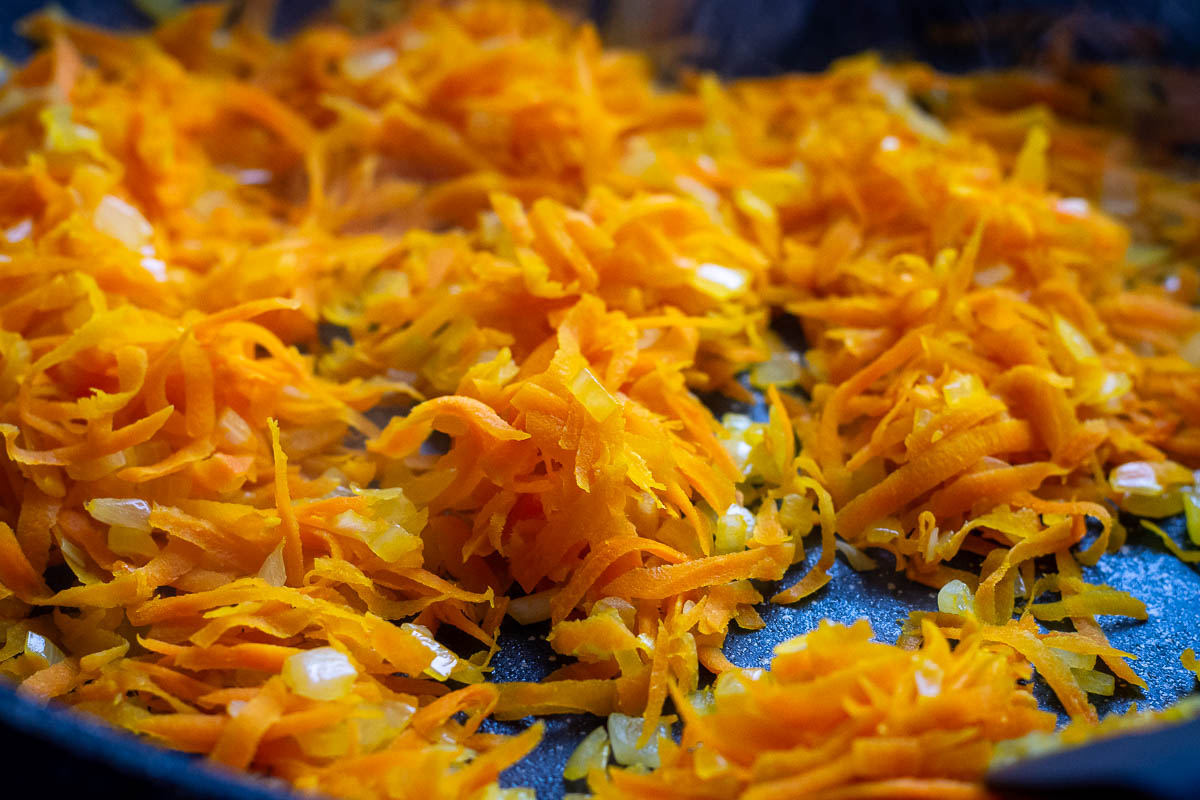
3. In a small bowl, mix the tomato puree, dried herbs, garlic powder and water to make a loosen tomato sauce (you may choose to use 2 tablespoon of ketchup instead).
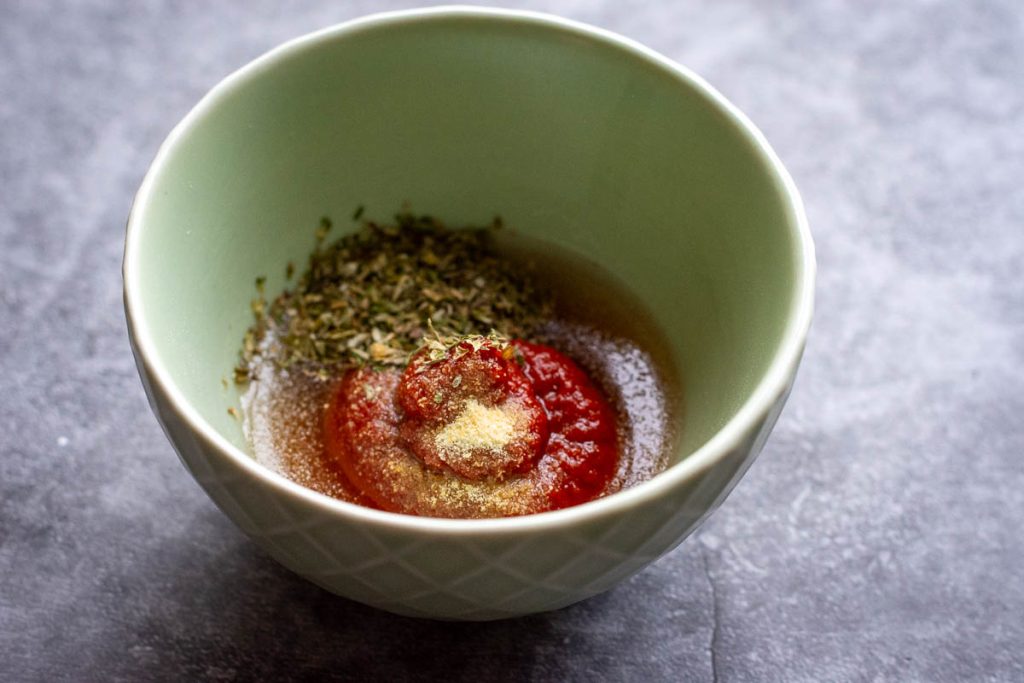
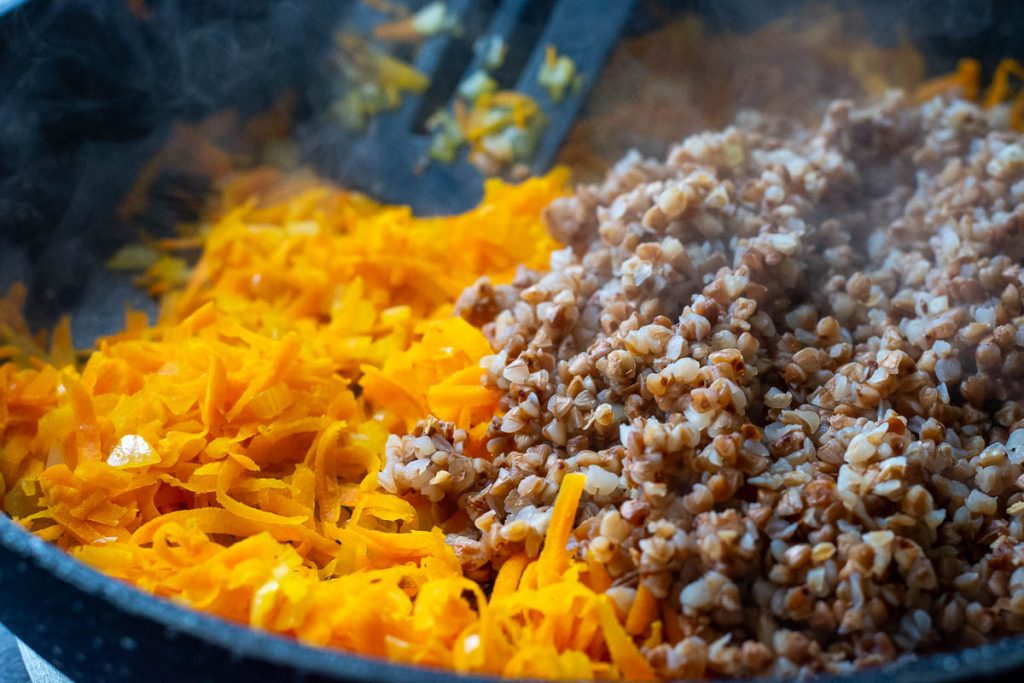

4. Once the buckwheat is cooked, drain well, and mix the cooked groats with the sauteed vegetables and tomato sauce. Serve immediately!
What Pairs Well With Buckwheat?
With its earthy, nutty flavor, buckwheat is the perfect side dish to complement classic Lithuanian and Eastern European flavors. Think of it as a rustic alternative to white rice, pairing beautifully with hearty dishes. In Lithuania, buckwheat often accompanies Karbonadas, a pork cutlet that makes for a satisfying main dish. It’s also a popular savory side dish for Lithuanian Meatballs or even Netikras Zuikis (Meatloaf With Apples).
If you’re after something lighter, try buckwheat with roasted root vegetables and a dollop of sour cream for an Eastern European-inspired bowl. You can also stir in any leftover rotisserie chicken for a Lithuanian-style buckwheat pilaf! Or try our Pork Rice Pilaf instead!
Storage
To keep your cooked buckwheat fresh, transfer it to an airtight container and store it in the refrigerator for up to 3 days. When you’re ready to enjoy it again, the best way to reheat is in a skillet over low heat—just add a bit of butter to bring back that fresh, cozy flavor. You can also reheat it in the microwave, but don’t forget that touch of butter for extra warmth and richness!
More Lithuanian Side Dish Recipes To Try
Here are a few more delicious recipes for you to try next:


Buckwheat Side Dish With Vegetables (Grikių Košė)
Ingredients
- 120 g (¾ cups) buckwheat groats kasha
- 1 tbsp olive oil
- 1 large carrot peeled and shredded
- 1 large onion peeled and finely chopped
- 1 tablespoon tomato puree
- 1 teaspoon dried herbs
- ¼ teaspoon garlic powder
- 2 tablespoon water
Instructions
- Cook the buckwheat following the instructions on the packet. It should take about 12-15 minutes in boiling water over medium heat. Your buckwheat should be soft and tender, but not completely mushy.
- In the meantime, add oil to a large skillet. Sautee the onions and carrots over low-medium heat for 10-12 minutes, until soft.
- In a small bowl, mix the tomato puree, dried herbs, garlic powder and water to make a lose tomato sauce (you may choose to use 2 tablespoon of ketchup instead).
- Once the buckwheat is cooked, drain well, and mix with the sauteed vegetables and tomato sauce. Serve immediately!



Leave a Reply