

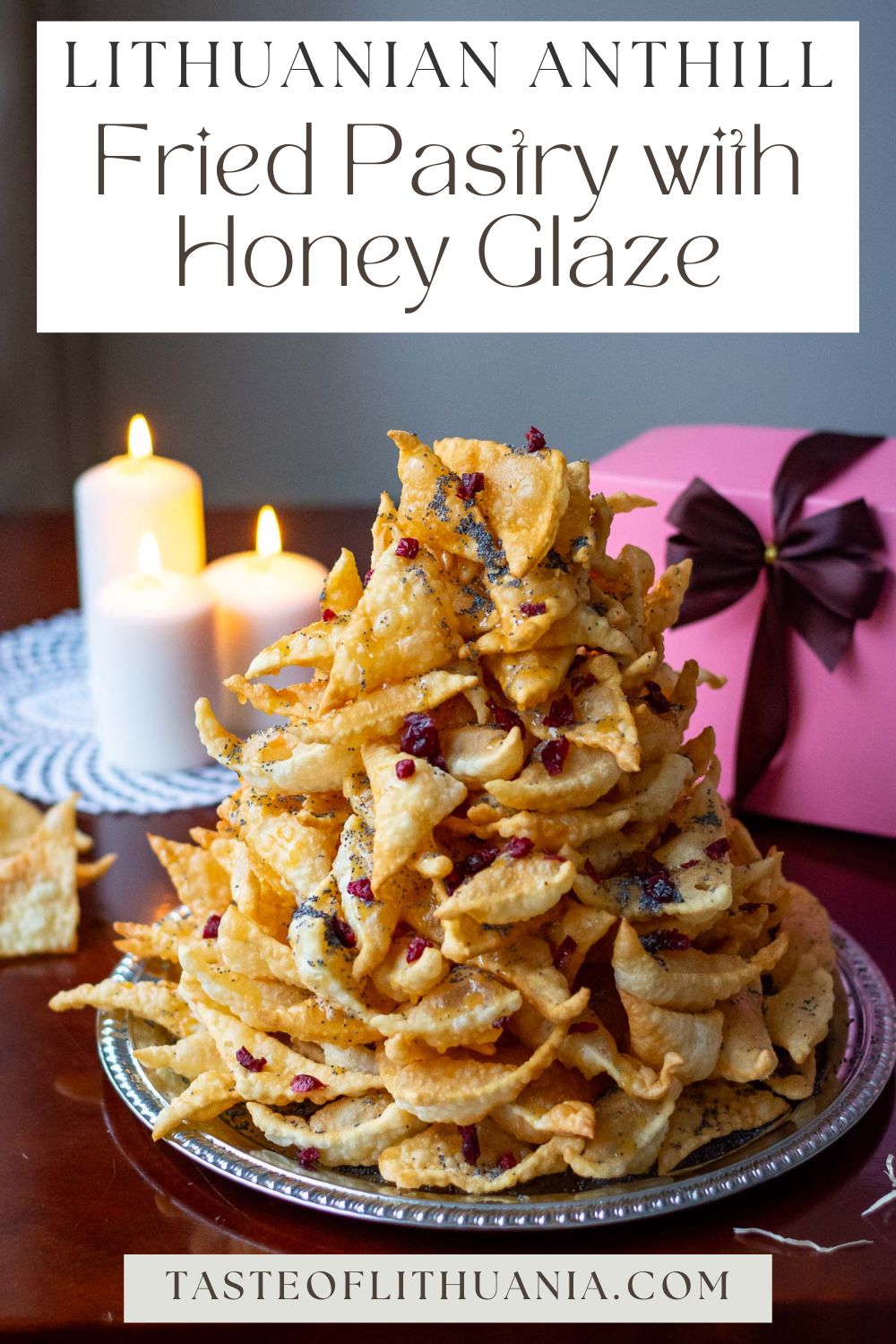
There are few desserts as dramatic, festive, and steeped in memory as the Lithuanian Anthill. Known locally as skruzdėlynas and often referred to as Lithuanian anthill cake (although it's not really a cake), this crunchy, honey-glazed tower is a truly traditional Lithuanian dessert, most commonly made for Christmas and other special occasions. Built from dozens of fried pastry triangles and held together with sticky honey syrup and poppy seeds, it looks whimsical and impressive, yet it’s made with simple ingredients.
Important note: when it comes to the rolling and frying stage, you really need 2 people to get involved - it all moves very quickly!

Jump to:
What is Lithuanian Anthill?
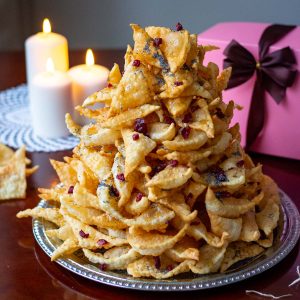
In the traditional sense, Lithuanian Anthill is not a cake in the usual baking-tray-and-oven way. It is a sculptural dessert made by layering individual pieces of dough that have been rolled thin, fried until crisp, and stacked into a tall, cone-shaped structure resembling an ant hill. Once assembled, the whole thing is drizzled with syrup, showered with poppy seeds, and sometimes dotted with dried fruit.
Historically, this dessert became especially popular during hard times, when people relied on pantry staples like all-purpose flour, eggs, honey, and oil. There was no need for chocolate, cream fillings, or elaborate decorations. The beauty came from technique and patience rather than expensive ingredients. It remains a symbol of celebration, abundance, and craftsmanship in Lithuanian traditional food culture.

Ingredient Notes
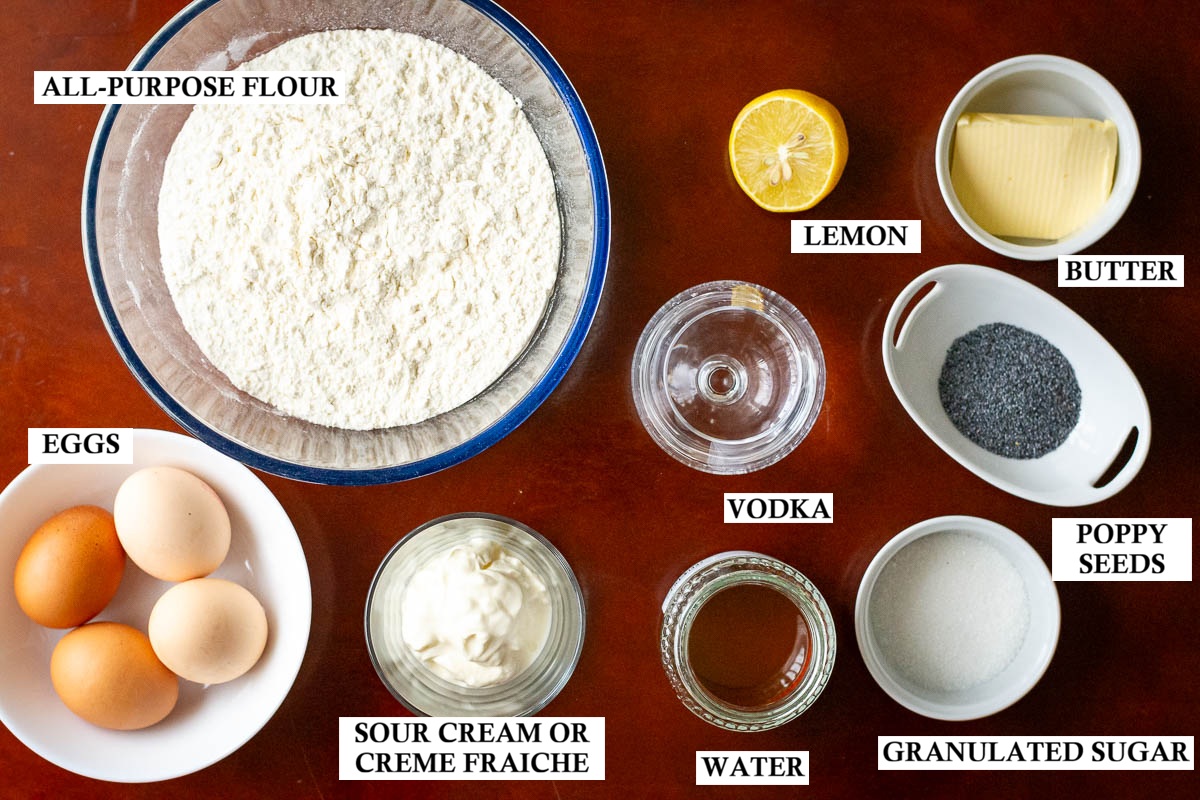
- All-purpose flour. The backbone of the pastry. This forms your flour mixture, and its protein level gives structure to the thin strips after frying.
- Eggs. Bind the dough and add richness.
- Sour cream or crème fraîche. Adds tenderness and subtle tang to the pastry.
- Vanilla + sugar. Just enough sweetness and aroma to round out the dough.
- Vodka. Doesn’t add flavor once cooked, but makes the dough crispier. It’s the only thing that gives this pastry its distinctive light crunch.
- Neutral frying oil. You’ll need enough oil for proper deep frying in a large deep pot so the pastries puff instantly.
- Honey. The heart of the glaze; use a floral, runny honey if possible. Have more honey to use? Try Lithuanian Honey Sponge Cake - Sodzius.
- Butter + condensed milk or cream. Soften the honey glaze and give it body.
- Lemon juice. Prevents the sweetness from becoming overwhelming.
- Poppy seeds. Traditional finishing touch.
- Dried cranberries (optional). A modern decorative addition for color and contrast.
Step-By-Step Method
Make the Dough
1. Start by sifting your all-purpose flour into a large bowl with a pinch of salt.
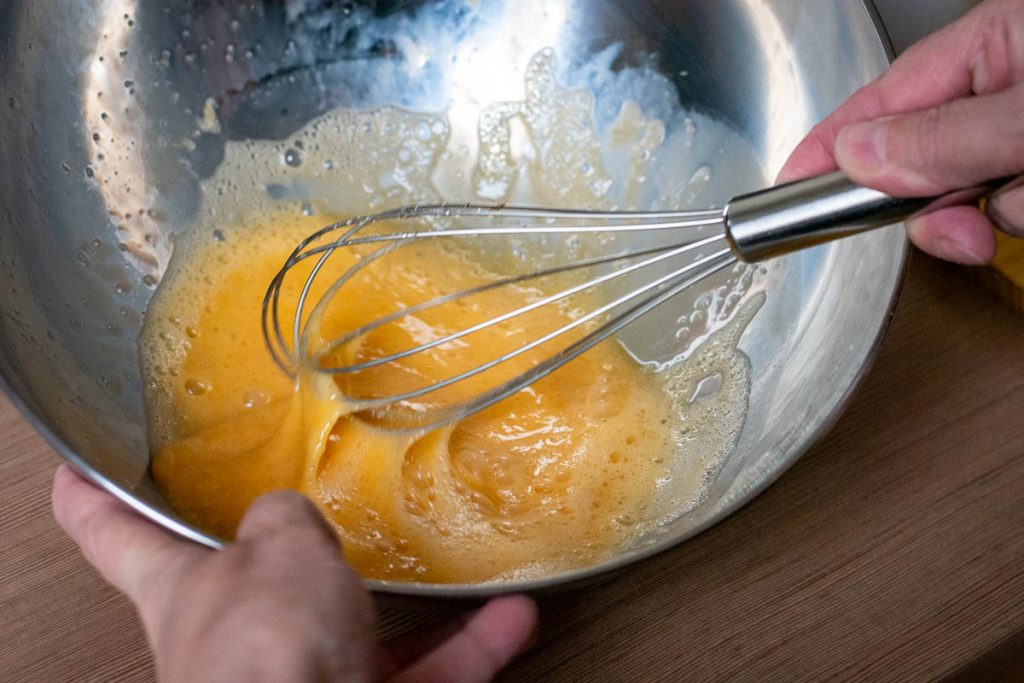
2. In a separate bowl, beat the eggs with sugar and vanilla, then add sour cream and mix until smooth. Stir in vodka.
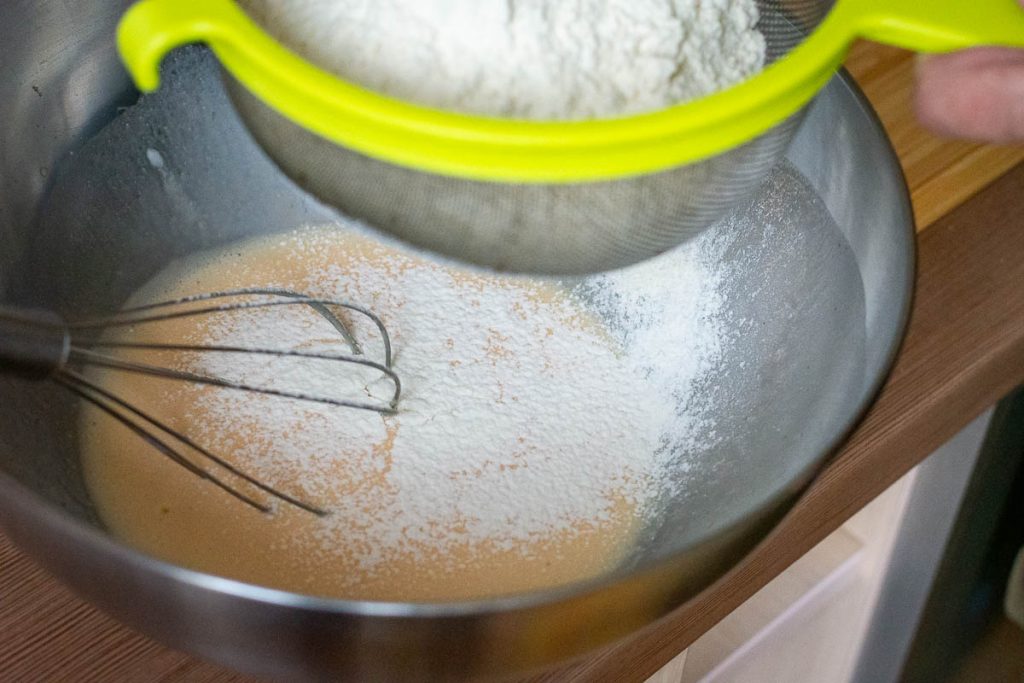
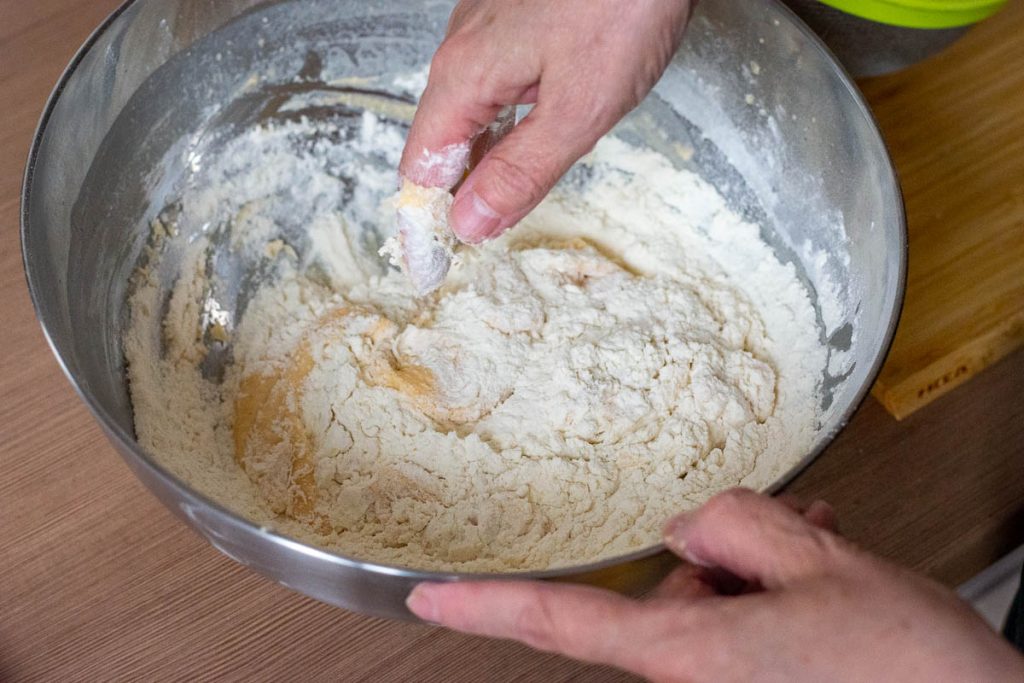
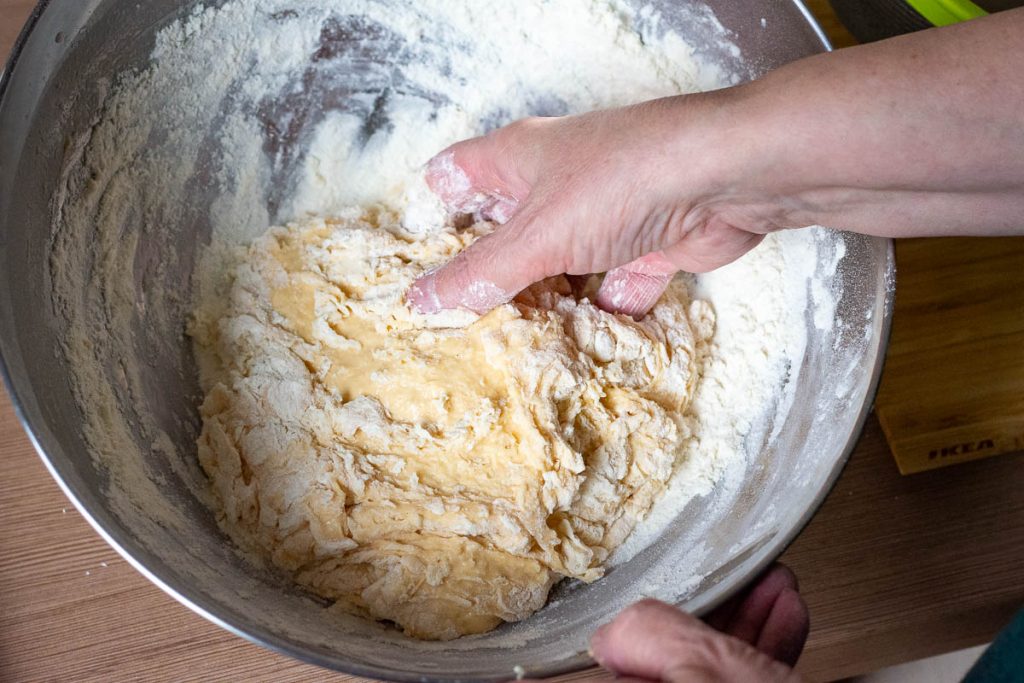
3. Gradually incorporate the flour (we typically resift it again) into the wet ingredients until a soft dough forms. Turn it out onto a floured surface and knead for about 10 minutes until elastic.
Expert tip: The dough should feel warm and lively in your hands, not stiff.
Strengthen the Dough
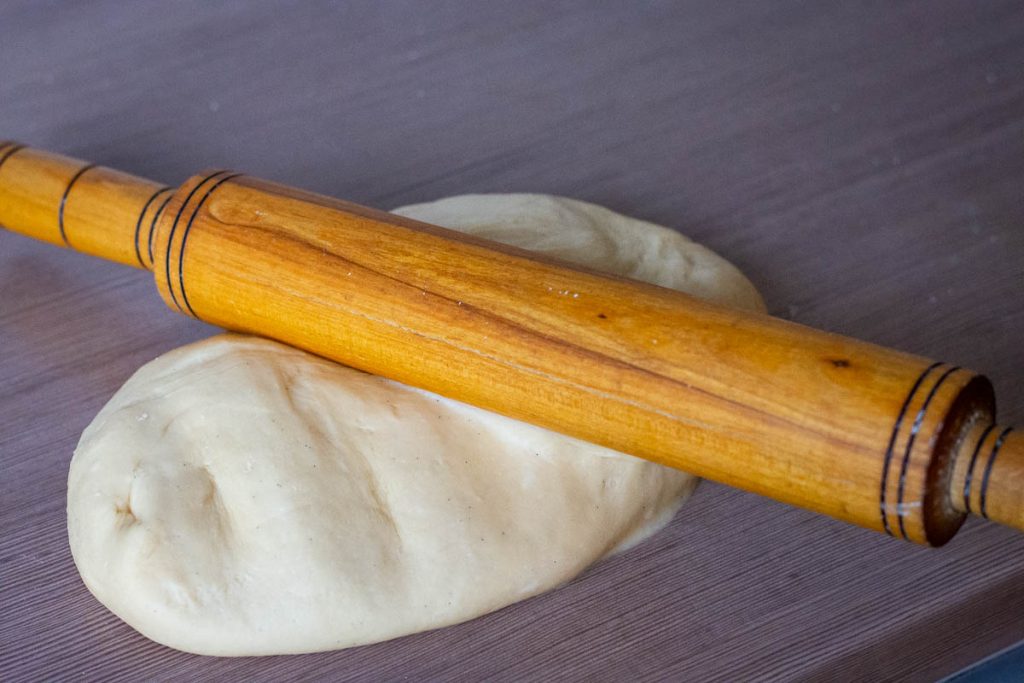
1. Now comes the traditional method: beating the dough. Using a rolling pin, beat and fold the dough repeatedly for 5–8 minutes until small blisters appear on the surface. This step builds elasticity and improves crispness when frying.
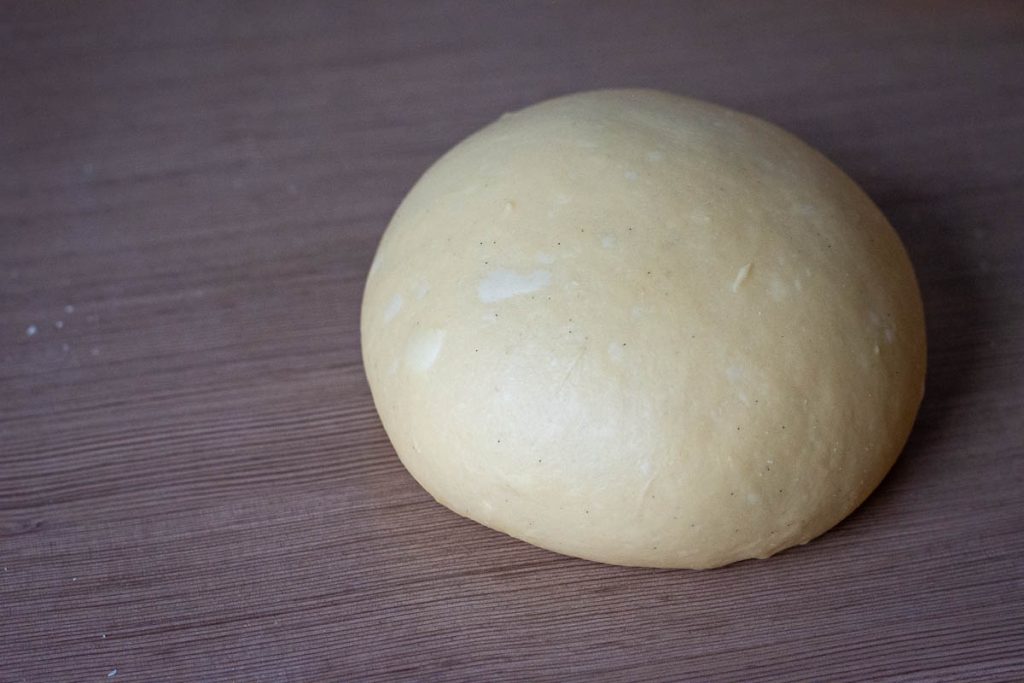
2. Shape into a ball, return to a bowl, cover with plastic wrap, and chill for at least 2 hours or overnight.
Roll & Fry
1. Divide the dough into individual pieces of dough (6–8 portions). Work with one piece at a time; keep the rest set aside under wrap so they don’t dry out.
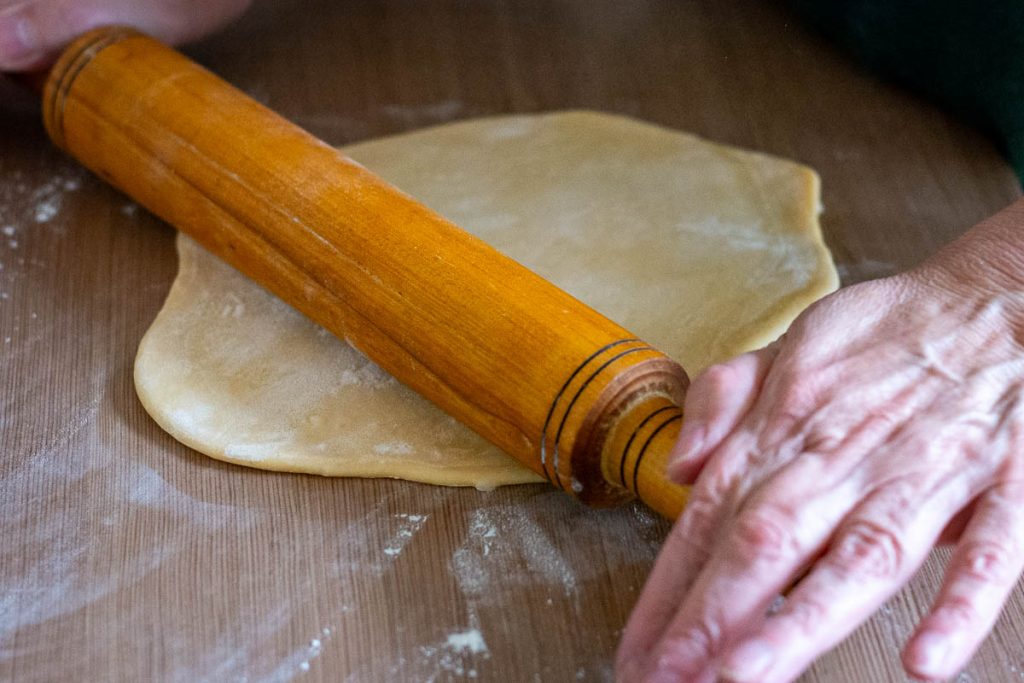
2. Roll each piece into very thin sheets (almost see-through), then cut into squares and triangles. These become your thin strips of pastry.
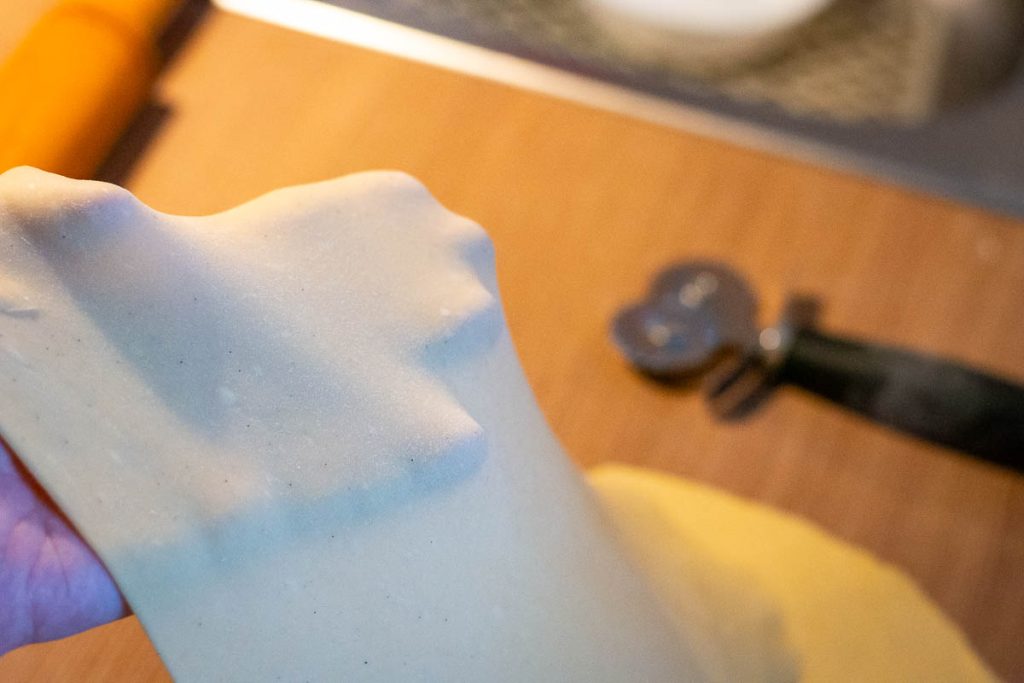
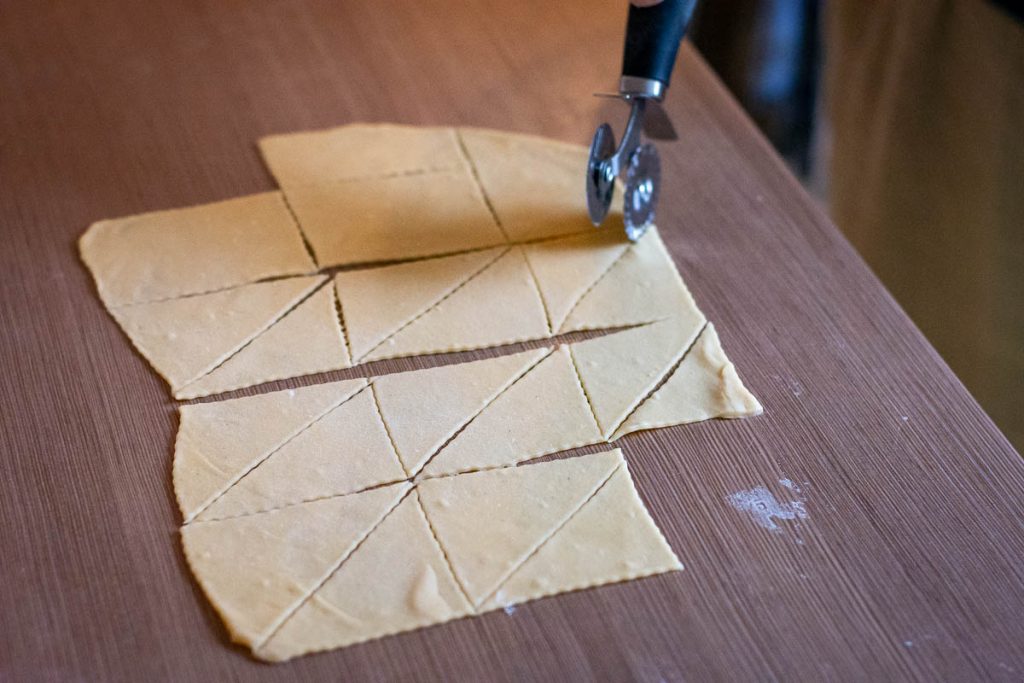
3. Heat oil in a large deep pot so it reaches 2 inches up the sides. Test with one triangle. Fry at medium-low heat for 20–30 seconds per side. The triangles should puff and turn golden instantly. Transfer fried pastry directly onto a paper towel to absorb excess oil.
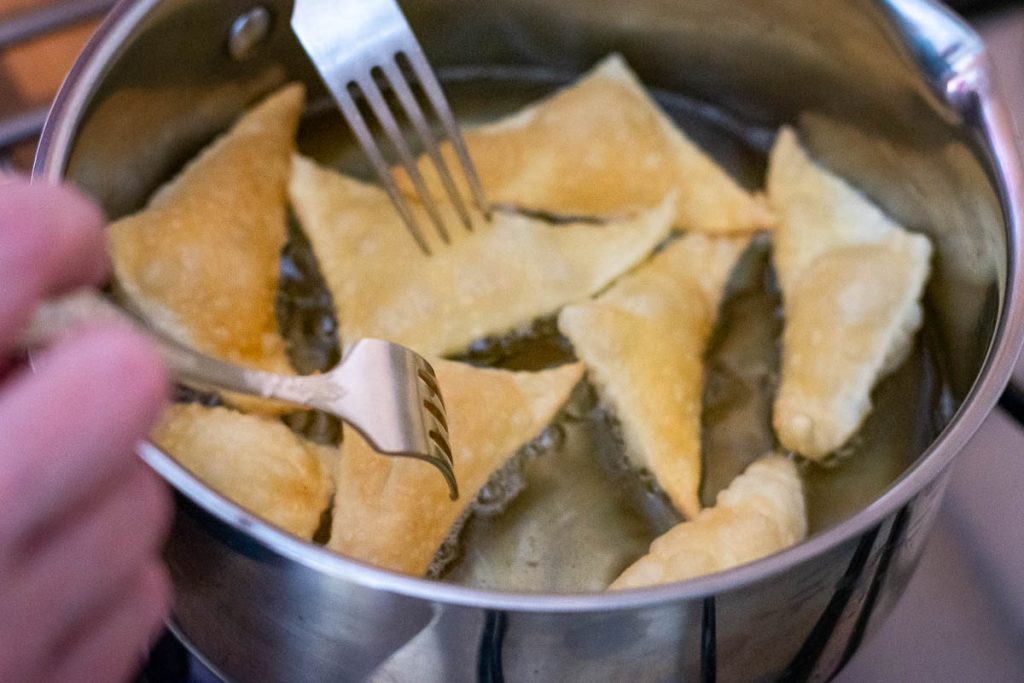
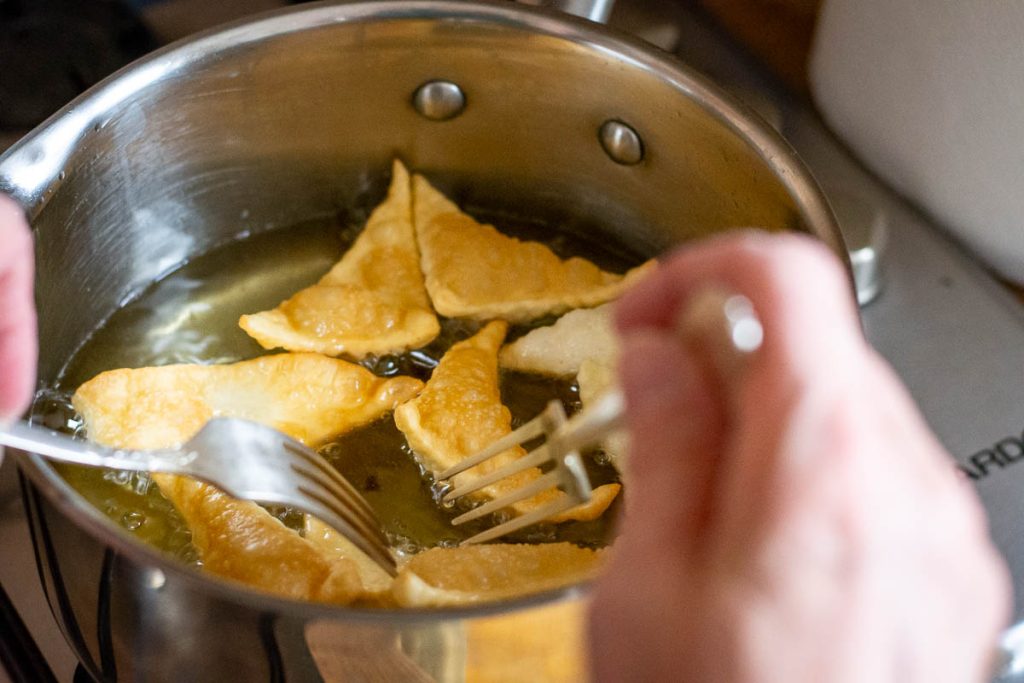
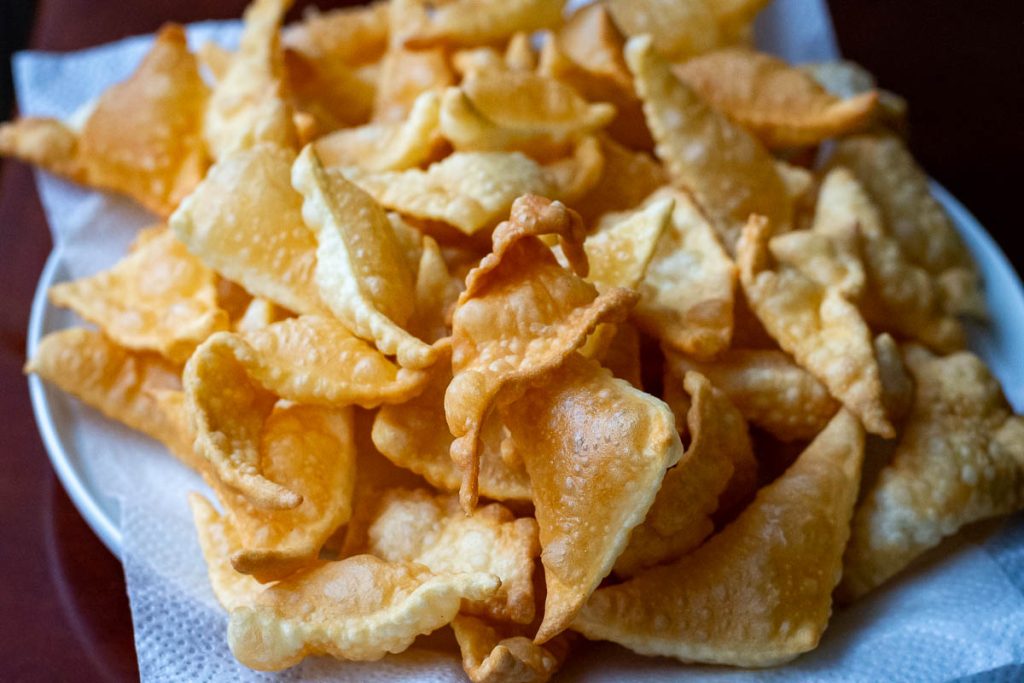
TIP: It's a two-man job, really! One person rolls and cuts the dough, whilst the other one fries the triangles - it all moves very quickly!
4. Toward the end, cut the last dough into smaller pieces. These will form the delicate top of your Lithuanian anthill cake.
5. Let all pastries cool completely at room temperature before glazing.
Make the Honey Glaze
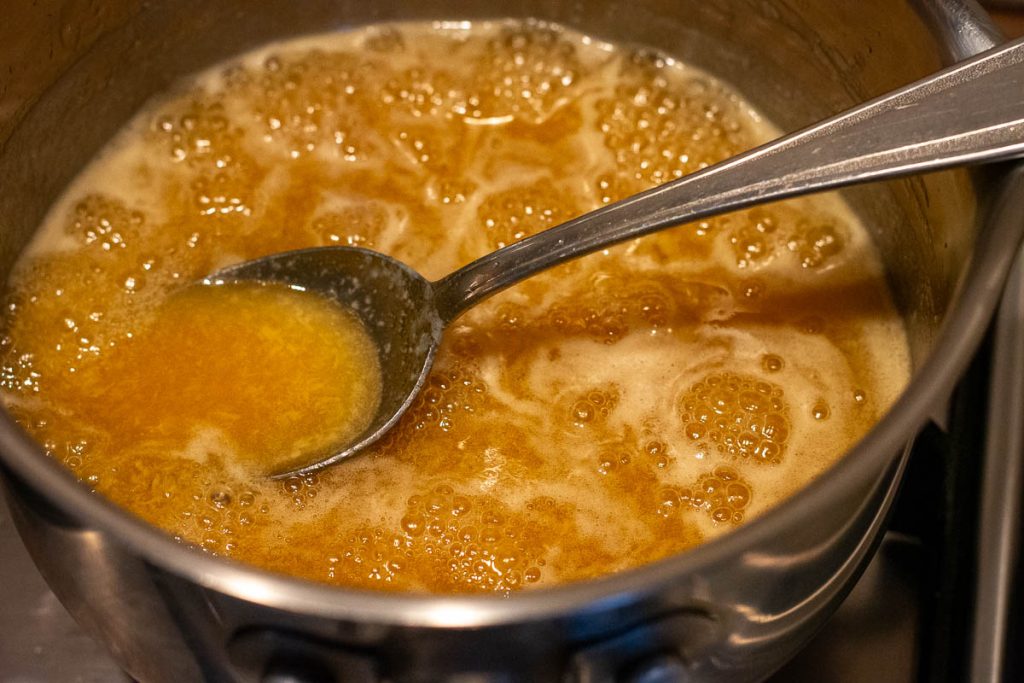
1. In a saucepan, combine honey, sugar, and water and heat until bubbling. Stir in butter, cream or condensed milk, and lemon juice. Simmer for 5 minutes until sticky.
2. Test a drop on a cold plate. If it sets like honey, it’s ready. If it thickens too quickly during assembly, return it briefly to medium-low heat.
Assembly
1. Line your serving plate with parchment paper if desired (but be careful it doesn't slip off the plate) for easy cleanup (no baking tray needed here).
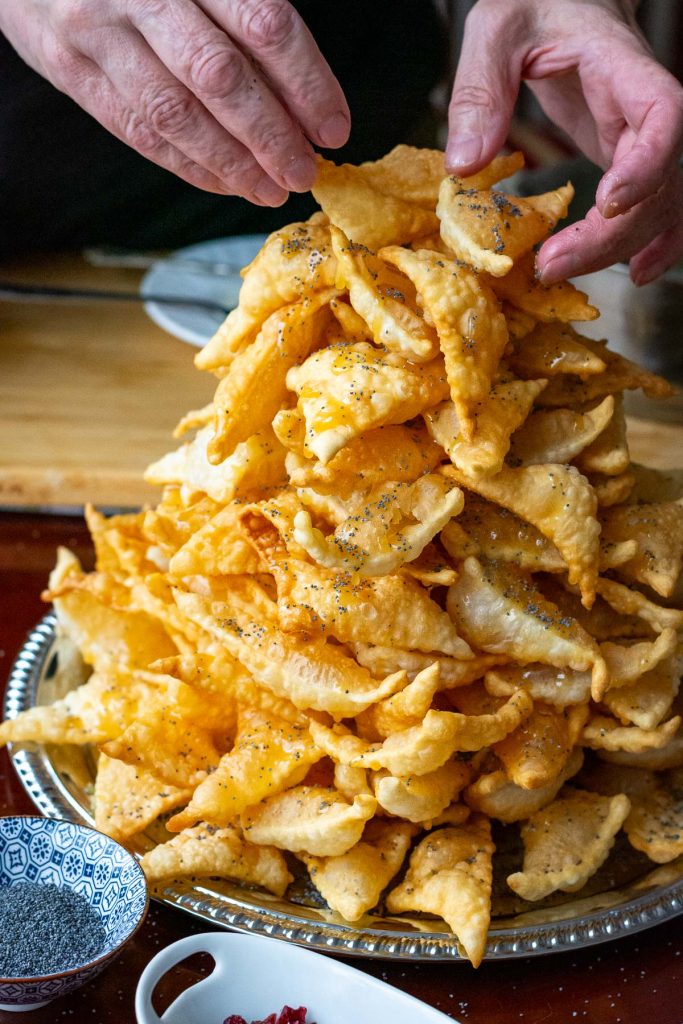
2. Start with a few pastry pieces at the base. Lightly drizzle syrup over them. Sprinkle with poppy seeds. Add the next layer, angling the triangles outward like branches.
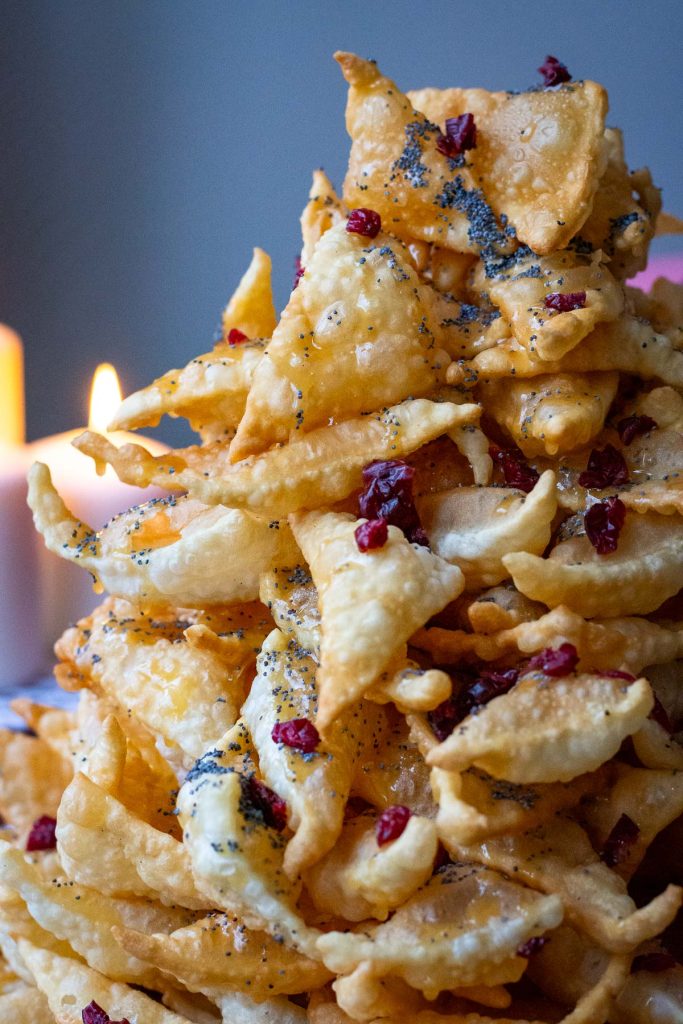
3. Continue stacking upward, narrowing as you go. Save your smaller pieces for the top. Finish with a generous final drizzle, extra poppy seeds, and optional cranberries.
Why This Dessert Endures
What makes this traditional Lithuanian dessert so special isn’t luxury. It’s rhythm. Rolling, cutting, frying, stacking. Layer after layer. Next layer, then another. The method itself becomes part of the celebration. Families often work together, one person rolling, one frying, one stacking. It’s messy. It’s sticky. It’s slow. And that is exactly the point.
In the traditional sense, this dessert teaches patience. It also reflects Lithuanian resilience. Even in hard times, people found ways to create beauty from the most modest pantry staples. That’s why this cake still feels so meaningful.
Storage
This dessert is stored very differently from modern cakes. Traditionally, it is left uncovered on a plate in a cool, dry room, or loosely covered with a clean plastic bag. Never refrigerate it unless your kitchen is extremely warm. Moisture softens the crisp structure.
It is not suitable for freezing. The glaze will weep, and the pastry will lose its texture.
Serving
Lithuanian Anthill is a dessert meant for sharing. It is served after the main meal, especially at Christmas, where guests break pieces away with their hands. It’s just as lovely with afternoon tea or coffee. No forks needed. The crunchy glaze, aromatic honey, and delicate pastry create a contrast that feels both rustic and celebratory.
Christmas In Lithuania eBook
Bring a touch of authentic Lithuanian magic to your holiday season! Whether you’re reconnecting with your roots or surprising loved ones with a nod to their heritage, Christmas in Lithuania is your ultimate guide to a heartwarming, delicious, and tradition-filled celebration.

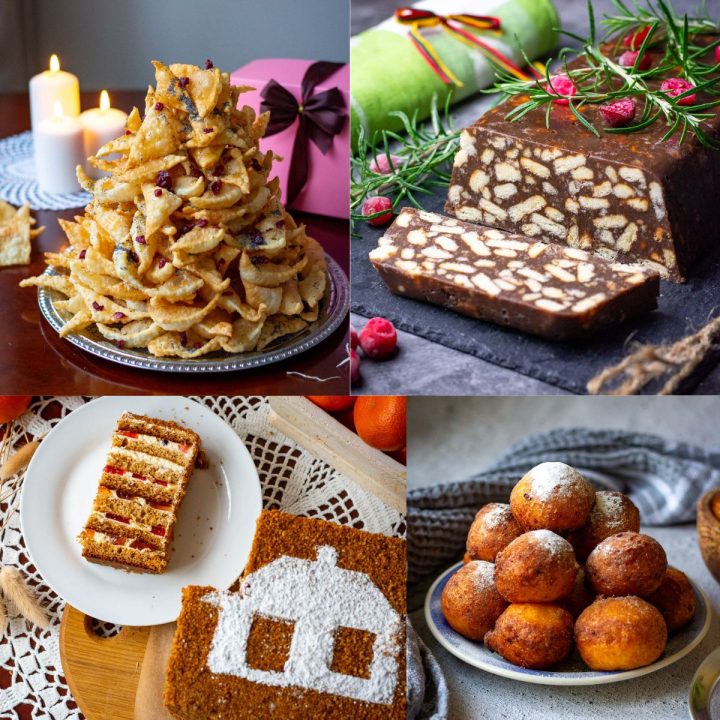
More Traditional Lithuanian Desserts
If you love this Lithuanian anthill cake, there are many more time-honored treats waiting to be rediscovered. I’ll link more traditional sweets below so you can continue building your Lithuanian dessert table.
Lithuanian Anthill (Skruzdėlynas) - Crispy Pastry With Honey
Ingredients
For the Pastry
- 460-500 g (~5 cups) all-purpose flour
- ¼ teaspoon salt
- 4 large eggs
- 80 g (⅓ cup) sour cream or crème fraîche
- 1 teaspoon vanilla bean paste or extract
- 1 teaspoon granulated sugar
- 4 tablespoon vodka
- 700 ml (~3 cups) neutral oil for frying
For the Honey Glaze
- 250 g (¾ cup) honey
- 6 tablespoon water
- 2 tablespoon granulated sugar
- 2 tablespoon butter
- 2 tablespoon condensed milk or heavy cream or heavy cream, or more sour cream
- 2 tablespoon lemon juice
Extras
- 3 tablespoon poppy seeds
- a handful dried cranberries optional
Instructions
Make the Dough
- Sift the flour into a large bowl and mix with salt.
- In a separate large mixing bowl, beat the eggs with sugar and vanilla. Add sour cream and beat until combined.
- Stir in the vodka.
- Gradually add the flour to the wet mixture, mixing by hand until the dough starts pulling away from the bowl.
- Turn onto a lightly floured surface and knead for 10 minutes, until smooth and elastic.
- Beat the dough vigorously with a rolling pin, folding it over repeatedly for 5–8 minutes, until small blisters appear.
- Shape into a ball, place into a clean bowl, cover with plastic wrap, and chill for 2 hours or overnight.
Roll & Fry
- Divide the dough into 6–8 pieces.
- Heat oil in a wide, deep pan so it reaches 2 inches (5–6 cm) up the sides. Line plates with paper towels.
- TIP: It's a two-man job, really! One person rolls and cuts the dough, whilst the other one fries the triangles - it all moves very quickly!
- Roll each piece into very thin sheets (almost see-through).
- Cut into 3×3 inch (7×7 cm) squares, then into triangles.
- Fry the triangles in hot oil for 20–30 seconds per side, until puffed and golden. Do not overcrowd.
- Transfer to paper towels immediately.
- Cut the final batches into smaller triangles for the top layers.
- Cool completely before glazing.
Honey Glaze
- Combine honey, water, and sugar in a saucepan over medium heat. Stir until dissolved and bubbling.
- Stir in butter, condensed milk (or cream), and lemon juice.
- Simmer for 5 minutes, until slightly thickened.
- Test by placing a drop on a cold plate. If sticky when cooled, it’s ready.
- Keep warm over low heat if it thickens during assembly.
Assembly
- Drizzle a little glaze onto a large serving plate.
- Arrange the first layer of pastry triangles with the points facing outward.
- Drizzle with glaze and sprinkle with poppy seeds.
- Continue layering, narrowing as you build upwards like a Christmas tree.
- Use smaller triangles toward the top.
- Finish with remaining glaze, extra poppy seeds, and decorate with dried cranberries.
Video
Notes
Leave a Reply