

Take a first sip of Lithuanian Kvass, and you’ll be transported straight to a warm summer’s day or a cozy family gathering in Lithuania. Known locally as Gira, this beloved non-alcoholic drink is brewed from black rye bread, offering a tangy, refreshing taste steeped in history. More than just a Lithuanian drink, gira is a cultural treasure that has stood the test of time, from ancient feasts to modern-day celebrations.

Jump to:
What is Gira?
Gira is a traditional fermented drink that has been enjoyed in Lithuania and across Eastern Europe since ancient times. Made primarily from rye bread, it has a distinctive golden brown hue and a tangy, slightly sweet flavor. With a naturally low alcohol content—often less than 1%—it’s a refreshing, mildly fizzy beverage that bridges the gap between a soft drink and a light beer. Perfectly unique, Gira remains a staple in Lithuanian homes and an iconic part of the country’s culinary heritage.

How is Lithuanian Kvass Made?
The process of making Lithuanian Kvass, or Gira, begins with one essential ingredient: dark rye bread. The stale and dry bread is sliced (sometimes toasted) until deeply browned, and soaked in spring water to release its rich, earthy flavor. Traditional recipes often enhance the aroma with additions like caraway seed or juniper berries, lending a uniquely Lithuanian touch.
As the bread mixture sits at room temperature, a fermentation process begins. Natural yeasts from the bread and added sugar combine to create carbon dioxide for fizz and small amounts of acetic acid, giving kvass its tangy, refreshing bite. This balance of sweetness, acidity, and carbonation defines the drink’s characteristic flavor.

After a few days, the liquid is strained and bottled, where it continues to ferment gently until it’s ready to drink. The result is a subtly sweet and slightly tangy fermented drink, brimming with the wholesome taste of Lithuania’s culinary traditions.
The Cultural Significance of Gira in Lithuania
Gira, or Lithuanian kvass, holds a special place in Lithuania’s culinary heritage, with more than 100 unique recipes showcasing regional and family traditions. The drink’s origins stretch far into ancient times, with the first written recipes appearing in 16th-century Lithuania. Since then, kvass has been celebrated as one of Lithuania's national drinks, embodying the flavors and resilience of its people.
A quintessential summer beverage, kvass is often enjoyed as a lighter alternative to beer. With an alcohol content of under 1%, it is widely considered a non-alcoholic drink, making it a refreshing and family-friendly option on hot days.
Kvass also has deep roots in folk medicine. Traditionally, it was believed to combat colds, reduce fever, and improve digestion, thanks to its richness in vitamin B and beneficial microflora. Grandmothers would recommend honey kvass for soothing sore throats or raisin kvass for heart health and muscle strength, as raisins are rich in potassium. Some even swore by mint kvass for calming nerves or improving sleep.
Beyond drinking, gira had surprising uses in beauty routines. It was once popular to wash one’s face or bathe in kvass, believed to promote smoother, brighter, and firmer skin. This versatile drink reflects not just the flavors of Lithuania but also the ingenuity and wellness traditions of its people.
How and What to Serve With This Lithuanian Drink?
Traditionally, kvass is poured chilled into a tall glass, making it the perfect accompaniment to hearty Lithuanian dishes.
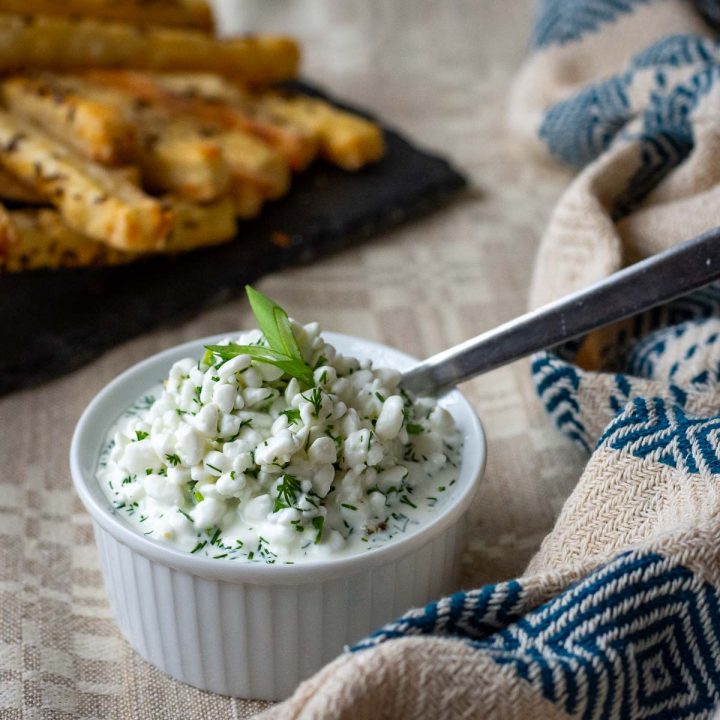
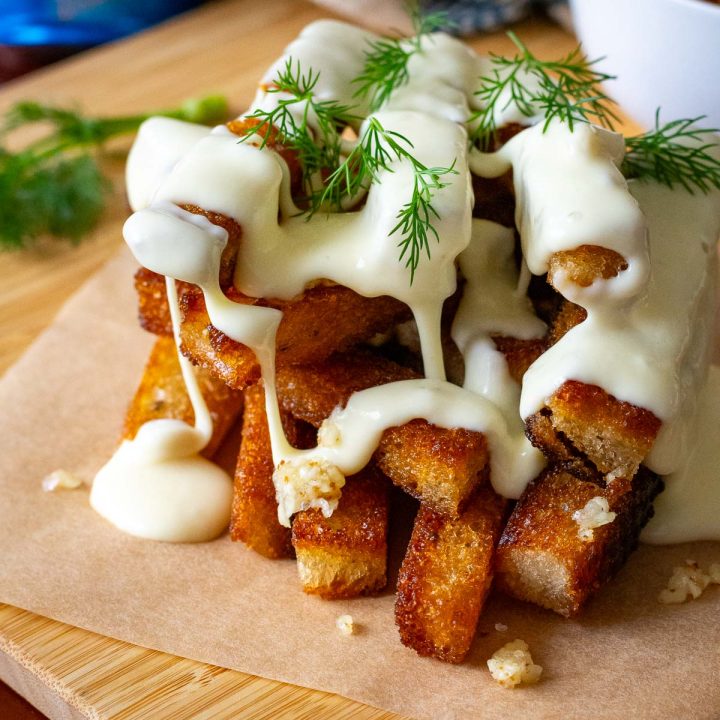
For a casual summer refreshment, kvass pairs wonderfully with light snacks such as cheese, yellow split peas and bacon, fried garlic bread, cheese straws with caraway seeds and smoked fish. Simply think of it as a version of non-alcoholic beer! It's also an irreplaceable drink at Lithuanian BBQs, perfect with Chicken Shashlik.
It’s also popular as a thirst-quencher at celebrations, where its mildly sweet and tangy flavor balances rich festive fare.

Gira and Modern Trends
In recent years, Lithuanian kvass has undergone a delicious transformation, with so many varieties now available that it’s hard to choose! From filtered to unfiltered options, and traditional rye-based kvass to lighter, milder versions made with barley or wheat, there’s a version of this fermented bread drink for everyone. Modern twists often include added fruit juice, spices, or even herbal flavors, expanding the drink’s appeal to new audiences.
The popularity of kvass remains strong, especially with a renewed interest in artisanal brewing. During the Lithuanian summer, you’ll find kvass being sold by a street vendor at music festivals, farmer’s markets, and even beaches, providing a refreshing taste of tradition with a modern edge. Whether enjoyed in its classic form or with a contemporary spin, kvass continues to hold its place as a beloved drink in Lithuania.
A Few Fun Facts About Gira
- Low Alcohol, High Flavor – Despite being a fermented drink, gira is considered non-alcoholic because its alcohol content is typically under 1%. This makes it a family-friendly choice!
- Gira for Beauty? – In ancient times, people didn’t just drink gira—they bathed in it! It was believed to make the skin smoother, brighter, and firmer.
- A King’s Beverage – Gira wasn’t always an everyday drink. In medieval Lithuania, it was considered a luxury, served at noble feasts and special occasions.
- Natural Probiotic Powerhouse – Thanks to its fermentation process, gira is packed with acetic acid and beneficial bacteria that support digestion and gut health.
More Traditional Lithuanian Drinks
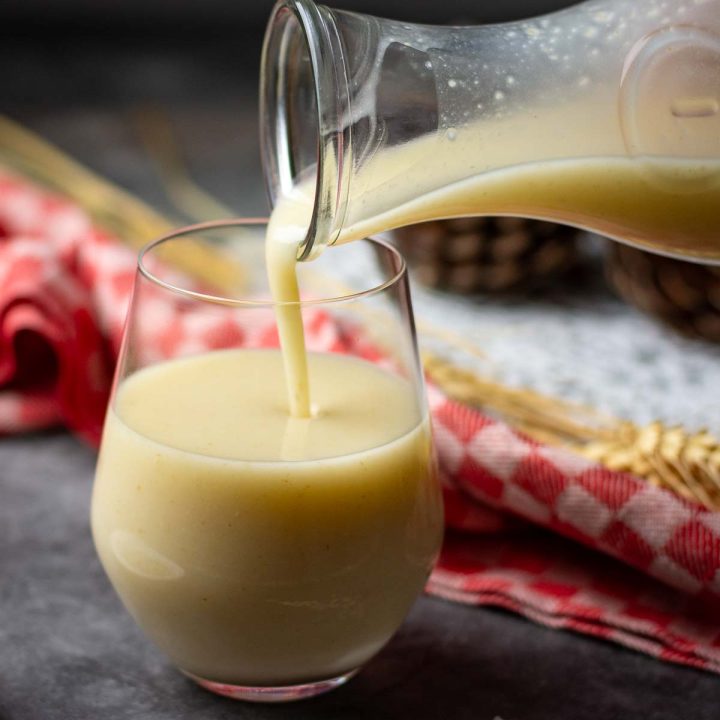
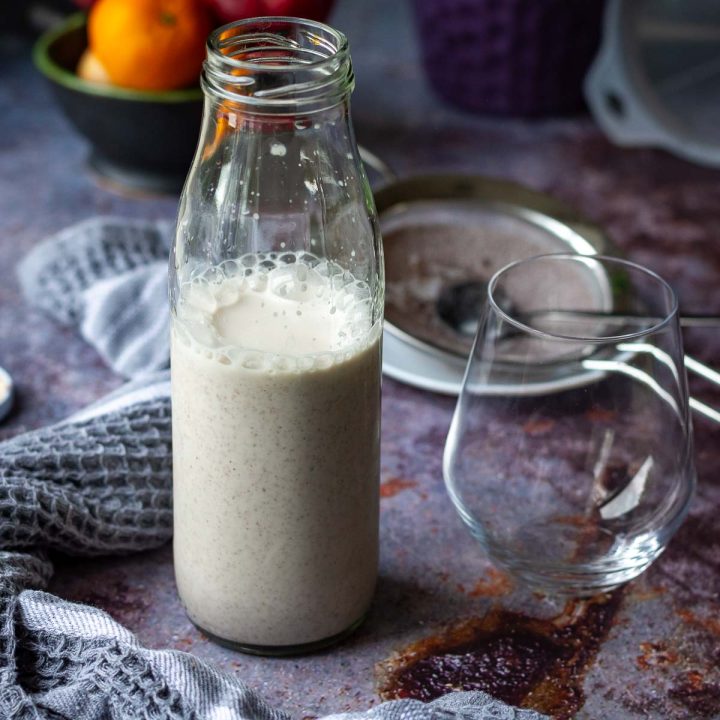
Fancy making some of the traditional Lithuanian drinks yourself? Try Kissel or Poppy Seed Milk below:


Leave a Reply